Best Customer Loyalty Software for Small Business in 2026
Discover how to choose the right loyalty software, avoid costly mistakes, and decide when a custom-built platform beats off‑the‑shelf tools.

In this article
Short answer
Customer loyalty software should be evaluated on setup ease, pricing transparency, loyalty mechanics, integration depth, business size fit, and industry relevance. When off-the-shelf platforms hit their limits, RaftLabs builds custom loyalty platforms instead, backed by a 4.9/5 Clutch rating and $29-49/hr fixed-price software development.
Key takeaways
- Loyalty members generate 12-18% more incremental revenue per year than non-members, according to Accenture research. Not because of the points, but because the program changes purchase behavior patterns over time.
- Free tools like Smile.io and Yotpo work well under 500 orders per month. Above that threshold, per-transaction fees and feature limits on free tiers typically cost more than a paid plan.
- Integration depth is the real differentiator. A loyalty program that can't update your CRM, trigger personalized email flows, or sync with your POS generates data nobody acts on.
- Starbucks runs 41% of its US revenue through Rewards members. That's the ceiling for what a well-run program can achieve. Not a perk: a core revenue engine.
- Custom-built loyalty platforms outperform off-the-shelf tools when you exceed 50,000 members, need reward logic beyond points-earn-and-redeem, or require deep integration with proprietary or legacy systems.
Customer loyalty software helps businesses run points programs, automate rewards, segment members, and connect loyalty data to their CRM. No dedicated marketing ops team required.
The market is crowded. There are enterprise platforms built for Fortune 500 retailers, simple stamp-card apps for corner cafés, and everything in between. Most comparison lists rank tools by affiliate payout, not fit. This one is different.
Most businesses evaluating loyalty software hit the same wall: they buy a tool that looks right in a demo, hit its limits within 12 months, and then need a custom build they could have planned for from the start. Sometimes off-the-shelf is the right answer. This guide helps you figure out which.
Who This List Is For
E-commerce brands on Shopify, WooCommerce, or custom stacks adding points, referrals, or VIP tiers
Restaurants and cafés that need POS-integrated loyalty without a separate app
Retail shops (physical or omnichannel) moving customers from punch cards to digital programs
SaaS and subscription businesses that need loyalty mechanics tied to recurring billing
Hospitality brands that need guest loyalty connected to booking and stay data
If you've already decided off-the-shelf software won't fit your requirements, skip to the end or see how we build custom loyalty apps from scratch.
How We Curated This List
RaftLabs specializes in loyalty program development for retail, hospitality, SaaS, and e-commerce brands. We evaluated 20 platforms on six criteria: setup ease, pricing transparency, loyalty mechanics, integration depth, business size fit, and industry relevance. Tools that haven't been actively updated in 3+ years or have documented reliability issues didn't make the cut.
For a deeper look at build costs, see our loyalty program development cost breakdown. For agency comparisons, see our top loyalty program app development companies guide.
Loyalty ROI: What a Well-Run Program Actually Returns
Most businesses treat loyalty as a retention cost. It's more accurate to treat it as a revenue lever with a measurable payback window.
According to Accenture research, loyalty members generate 12-18% more incremental revenue per year than non-members. They buy more frequently, spend more per transaction, and churn at lower rates.
Starbucks runs 41% of its US revenue through Rewards members. That's not a perk program. It's a retention engine that compounds.
The math holds at smaller scale. A program with 5,000 active members spending $200 per year, with a 15% spend lift from loyalty mechanics, generates $150,000 in incremental revenue. Against a first-year total program cost of $40,000-$60,000 (platform, integrations, rewards, operations), most programs are net positive before year one ends. Antavo's 2026 Global Loyalty Report puts it plainly: 83% of companies that actively measure loyalty ROI report a positive return.
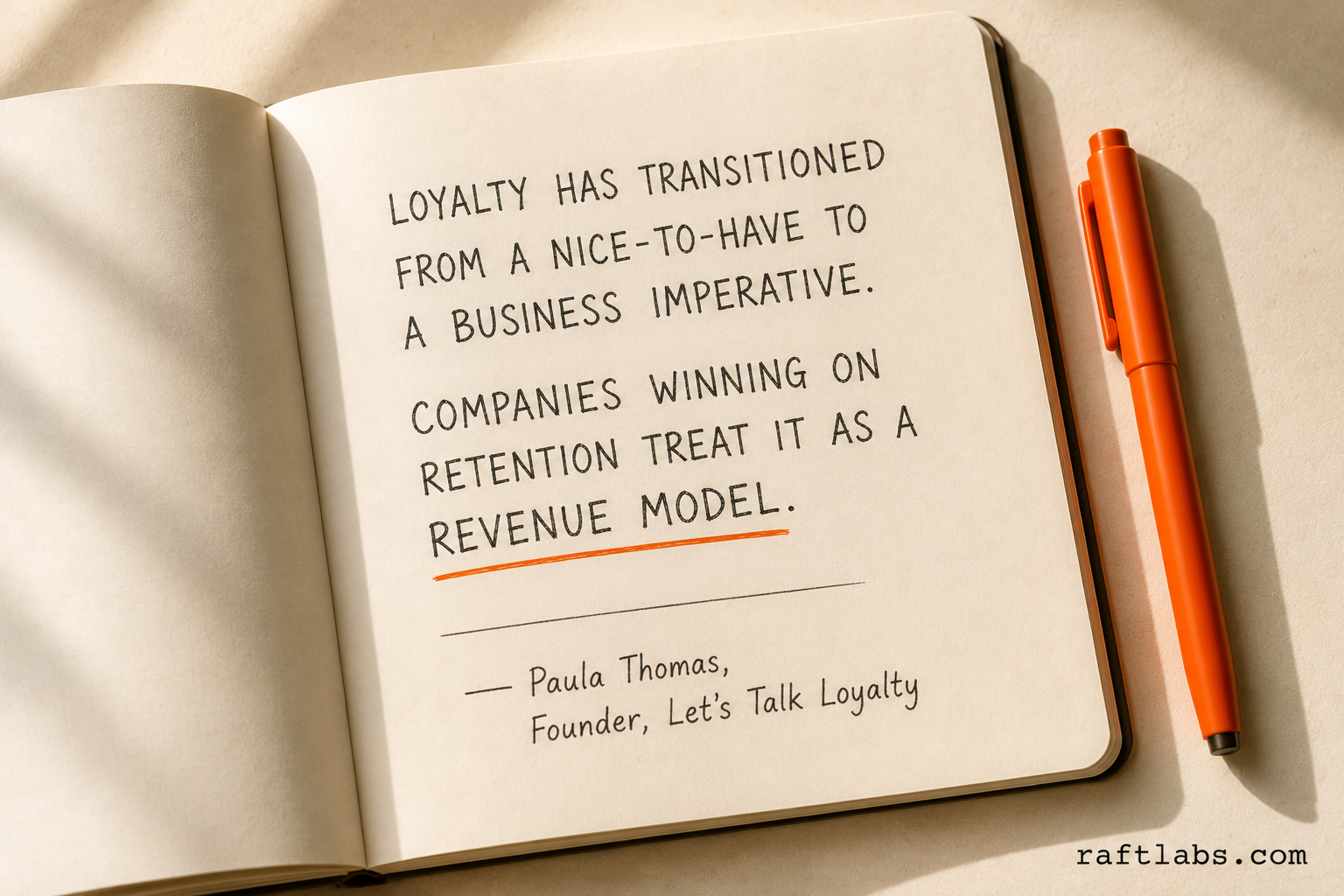
"Loyalty programs have transitioned from being a 'nice to have' to a business imperative. The companies winning on retention are the ones treating loyalty as a revenue model, not a marketing add-on."
Paula Thomas, founder of Let's Talk Loyalty and host of the world's first podcast dedicated to loyalty marketing
Programs that don't deliver share the same failure pattern: reward economics that weren't modeled before launch, purchase data too shallow to personalize effectively, and nobody reviewing the numbers after go-live. These are planning failures. Not platform failures.
Calculate your loyalty program ROI for free See exactly how much incremental revenue your program can generate. Calculate Now
How to Choose the Right Customer Loyalty Software
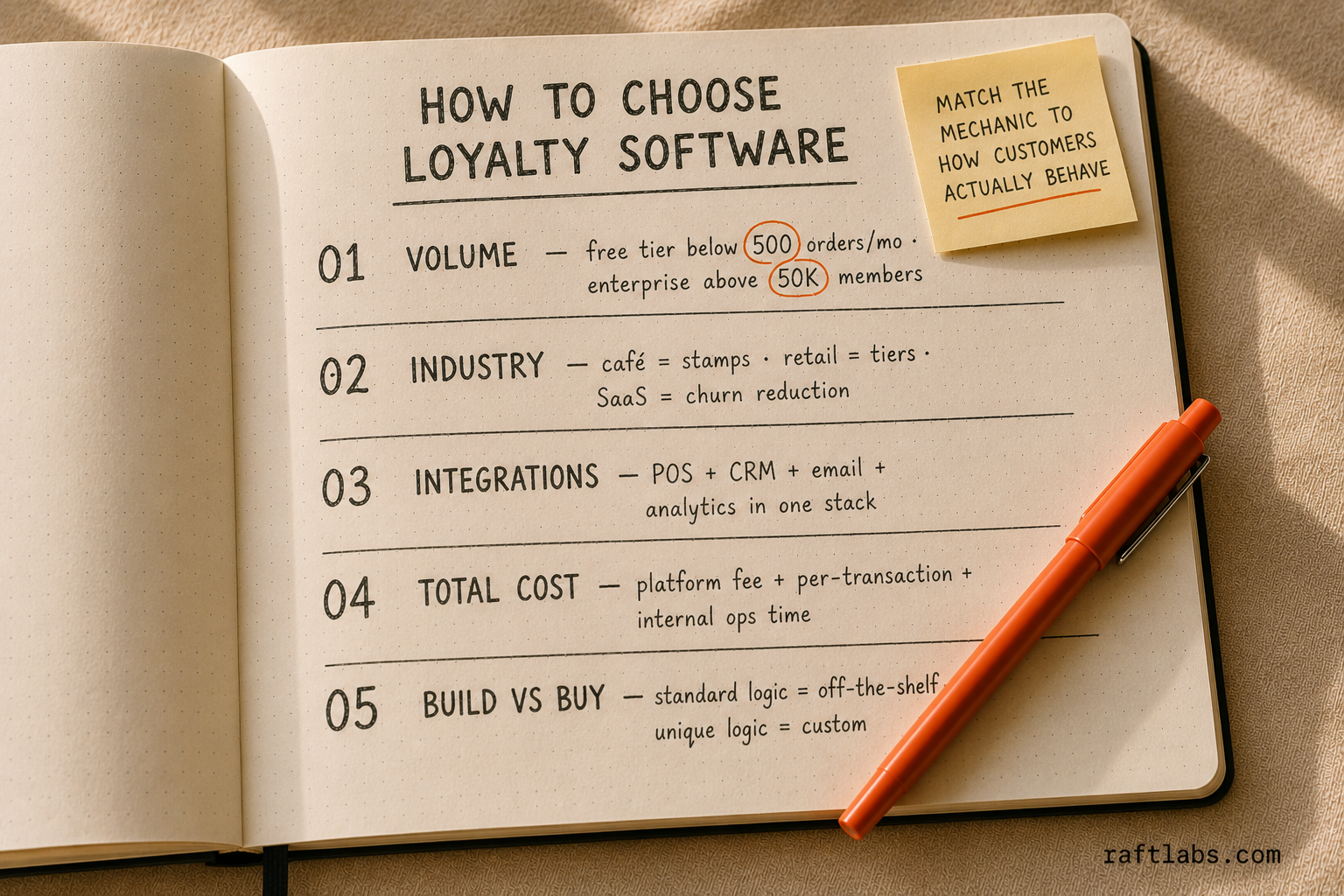
The most common mistake buyers make: picking a platform because it demoed well, not because its pricing model and reward logic match how the business actually operates. A tool built for a 200-order-a-month café is the wrong choice for a multi-region retailer, and the reverse is just as expensive to unwind. The real starting question isn't "which platform has the best features." It's which camp the business sits in.
Camp A: SMB self-serve tools. Smile.io, Loyalzoo, Loyverse POS, Rise.ai, and Kangaroo fit here - free or low-cost tiers, setup measured in hours, and reward mechanics simple enough to run without a dedicated ops team. This is the right camp under roughly 500 orders per month, or for businesses like cafés and small retailers where loyalty runs on visit frequency and simple stamps rather than complex segmentation.
Camp B: enterprise platforms built for scale. Capillary Technologies, Zinrelo, and SpotOn's restaurant-focused build sit here - custom pricing, dedicated onboarding, and reward logic that supports tiers, coalition programs, or multi-brand management standard tools don't handle. This is the right camp above that volume threshold, for multi-region operations, or for regulated industries with specific data-handling requirements.
Two factors matter inside either camp. First, integration depth: most platforms connect to Shopify out of the box, but the real differentiator is what else they integrate - POS, CRM, email marketing, analytics. A loyalty program that lives in a silo generates data nobody acts on. Second, total cost of ownership: starting price is rarely the real cost. Factor in per-transaction fees at your volume, additional integrations, and the internal time required to run campaigns. A $399/month LoyaltyLion plan with the right Shopify integration can outperform a cheaper tool that requires significant manual work.
Getting the model wrong is more expensive than getting the vendor wrong.
Quick Comparison: 20 Best Customer Loyalty Software Platforms
| Software | Best For | Starting Price | Free Plan | Standout Feature |
|---|---|---|---|---|
| Smile.io | Shopify e-commerce | Free | ✅ | Points + referrals, Shopify-native |
| LoyaltyLion | Mid-market e-commerce | $399/mo | ❌ | Tiered VIP programs |
| Loyoly | Post-purchase engagement | $99/mo | ❌ (7-day trial) | 40+ engagement mechanics |
| Zoho CRM | CRM-first businesses | $12/user/mo | ✅ | Full CRM + loyalty bundled |
| SumUp | Retail + in-person | Custom | ❌ | Integrated with SumUp payments |
| Yotpo | E-commerce + reviews | Free | ✅ | Reviews and loyalty in one platform |
| Capillary Technologies | Enterprise retail | Custom | ❌ | AI-powered customer segmentation |
| Loyalzoo | Small retail and cafés | $49/mo | ❌ | Simple digital stamp cards |
| Kangaroo | SMB retail | $59/mo | ❌ | White-label app option |
| Rise.ai | E-commerce store credit | $19.99/mo | ❌ | Gift cards and store credit |
| Trustpilot | Review-driven retention | $250/mo | ❌ | Verified reviews integration |
| Loyverse POS | Food and beverage | Free | ✅ | POS-native loyalty, free forever |
| Preferred Patron | Service businesses | $149/mo | ❌ | Omnichannel reward delivery |
| SpotOn | Restaurants | Custom | ❌ | Restaurant POS + loyalty integrated |
| Marsello | Omnichannel retail | $125/mo | ❌ | Online + in-store unification |
| Empuls | Employee recognition | $3/user/mo | ❌ | Employee rewards and engagement |
| Froogal | QSR and retail | Custom | ❌ | Tier-based gamification |
| Tremendous | B2B rewards | Free to set up | ✅ | 2,000+ reward options globally |
| BHN Rewards | Corporate gifting | Custom | ❌ | Global reward delivery |
| Zinrelo | Enterprise loyalty | Custom | ❌ | Multi-dimensional loyalty engine |
Need a loyalty platform built for you? Off-the-shelf tools don't fit every business. We build loyalty programs that do. Explore our loyalty app development
Top Customer Loyalty Software Platforms (In Detail)
Platforms are grouped by the business type they fit best. Skip the categories that don't apply to you.
Best Customer Loyalty Software for E-commerce Stores
1. Smile.io
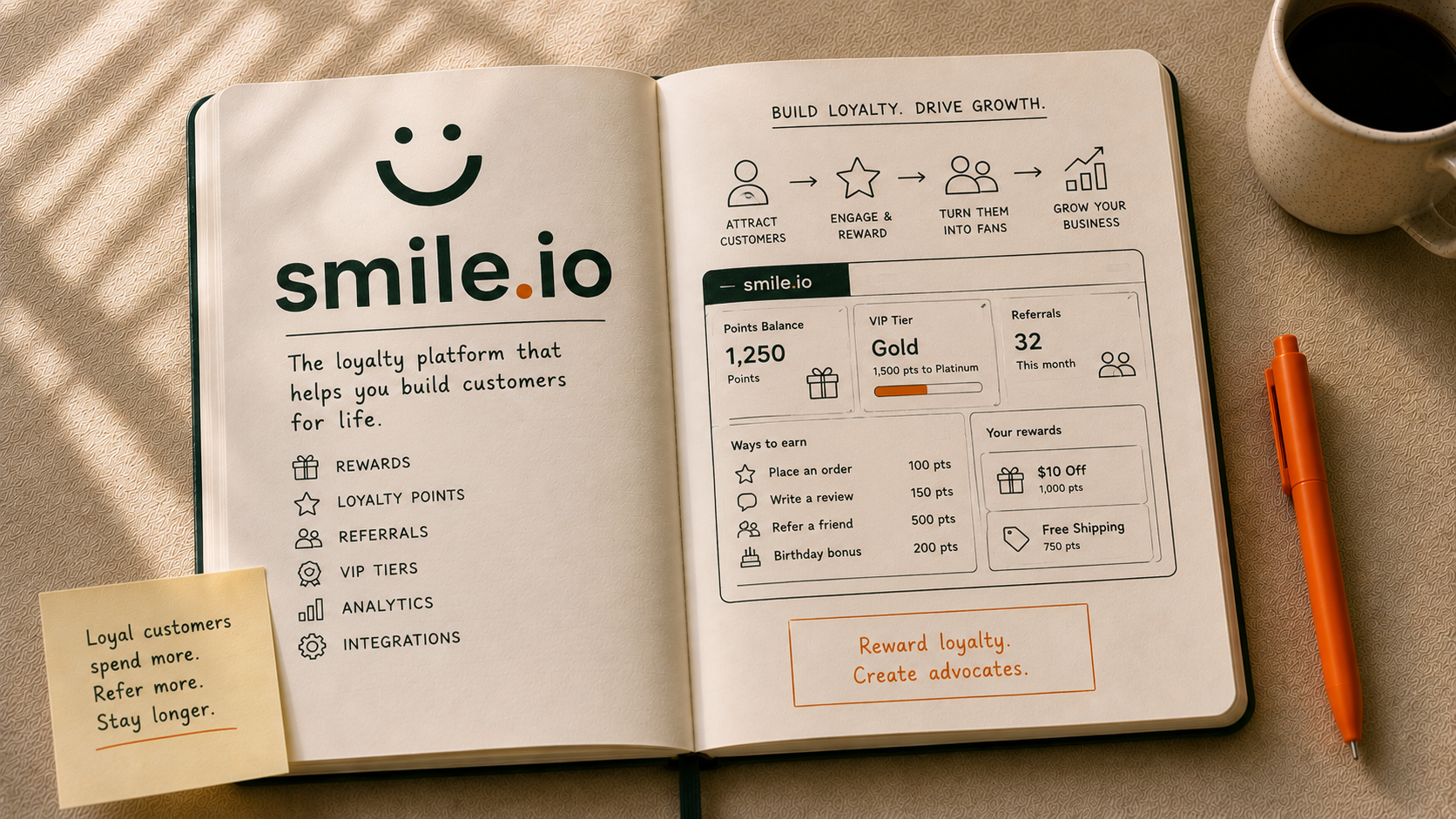
Smile.io is a points-based loyalty platform built natively for Shopify. Its free tier is genuinely usable for stores under 500 orders per month. It's one of the few free loyalty tools that actually works.
Key Features:
Points-based rewards system
Referral programs
VIP programs
Customizable loyalty programs
Integrations with Shopify, BigCommerce, and more
Notable use case - A Shopify store under 500 orders per month that wants a working points-and-referral program live on day one without a software budget.
Pricing signal - Free at the entry tier, but feature gaps and per-transaction fees start to bite above 500 orders per month, the same threshold where paid tiers on other platforms begin to make more sense.
What to watch - The free tier's real limits show up exactly when a store starts scaling past that 500-order mark. Growing stores should budget for a paid tier rather than assume the free plan holds indefinitely.
Pricing:
Starting Price: $0/month (limited features)
2. LoyaltyLion
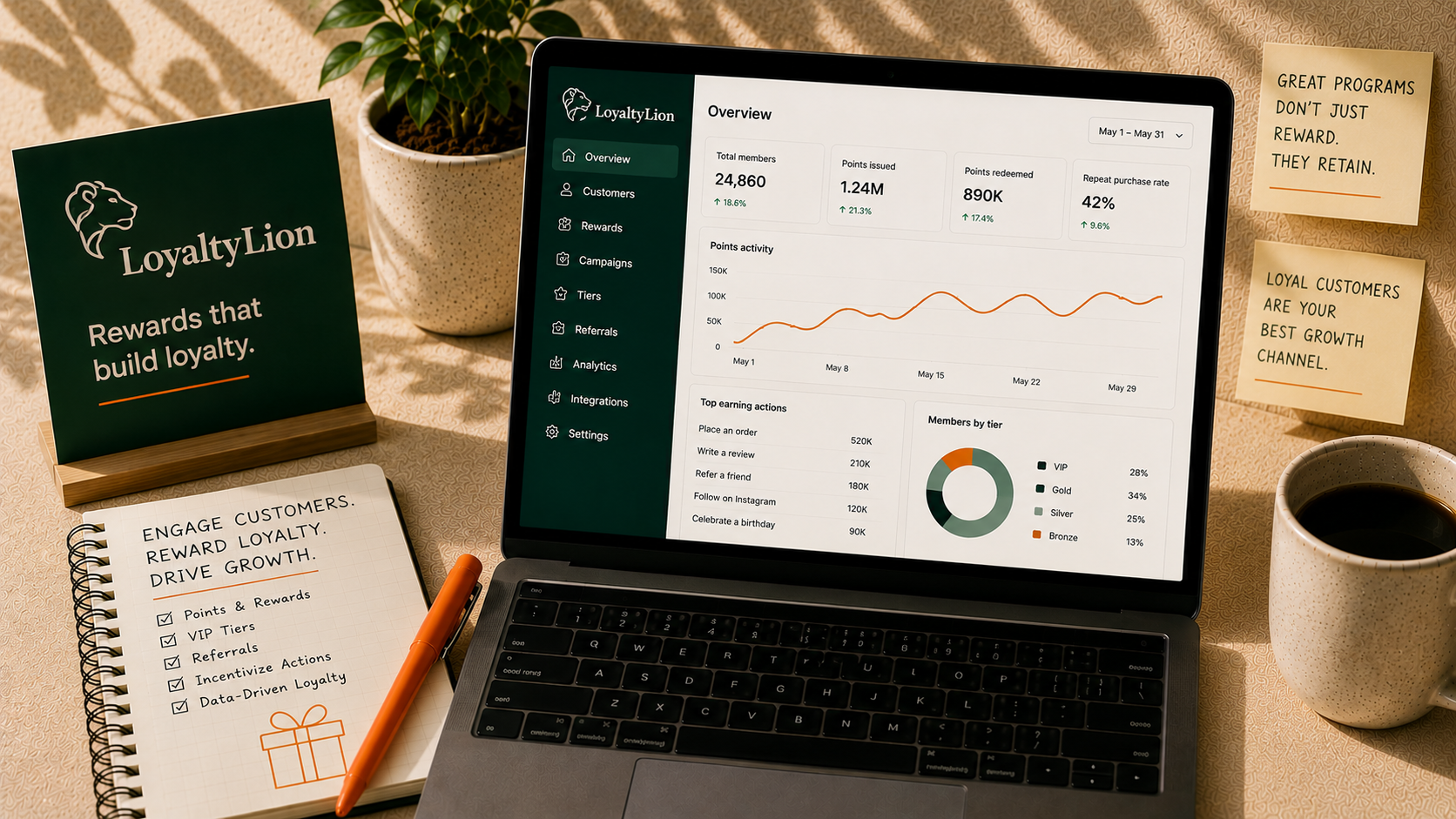
LoyaltyLion is built for mid-market e-commerce teams that need more than points and referrals. Its tiered loyalty program mechanics and deep Shopify integration make it the standard recommendation for stores above $1M in annual revenue.
Key Features:
Points-based loyalty programs
Tiered loyalty programs
Loyalty points for social media sharing and referrals
Integration with major e-commerce platforms
Notable use case - A mid-market Shopify store above $1M in annual revenue that has outgrown points-and-referrals and needs tiered VIP mechanics tied deeply into checkout.
Pricing signal - $399/month is a real budget line, not a rounding error. A plan at that price with the right Shopify integration can outperform a cheaper tool that requires significant manual work, but it only pencils out once revenue justifies the spend.
What to watch - The price puts LoyaltyLion out of reach for stores still under the volume where a free tool like Smile.io or Yotpo does the job. Committing before revenue supports it is the most common way teams overpay here.
Pricing:
Starting Price: $399/month
Free Trial: 14 days
3. Loyoly
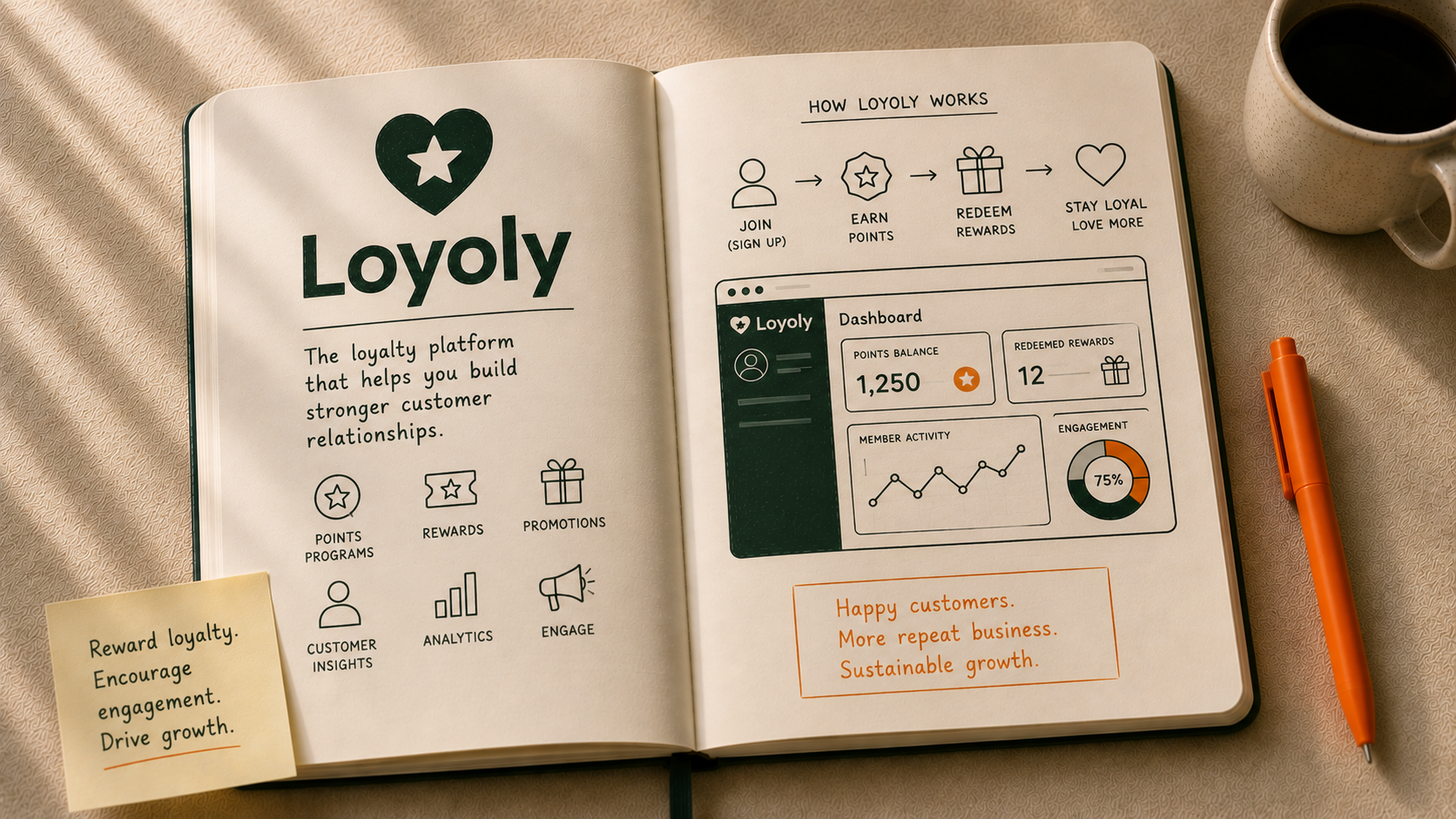
Loyoly is a post-purchase engagement platform that goes beyond standard loyalty mechanics. It offers 40+ engagement types including referrals, UGC collection, reviews, and social media actions. That makes it useful for brands that want loyalty to drive content and community, not just repeat purchases.
Key Features:
3-in-1 platform: Loyalty, Referral, and Wallet
40+ engagement mechanisms (UGC, reviews, social, data collection)
Integration with e-commerce tools (CRM, POS, reviews)
Program aligned with brand identity
Notable use case - A brand that wants loyalty to generate UGC and social content, not just repeat purchases, and is willing to run a broader engagement program than a standard points system.
Pricing signal - $99/month puts Loyoly above free entry-level tools but below LoyaltyLion's mid-market pricing. The 40+ engagement mechanisms are what the price is buying, not just points and referrals.
What to watch - The 7-day free trial is short for evaluating 40+ engagement types properly. Teams should map out which mechanics they'll actually use before the trial window closes, not after.
Pricing:
Starting at $99/month
7-day free trial
4. Yotpo
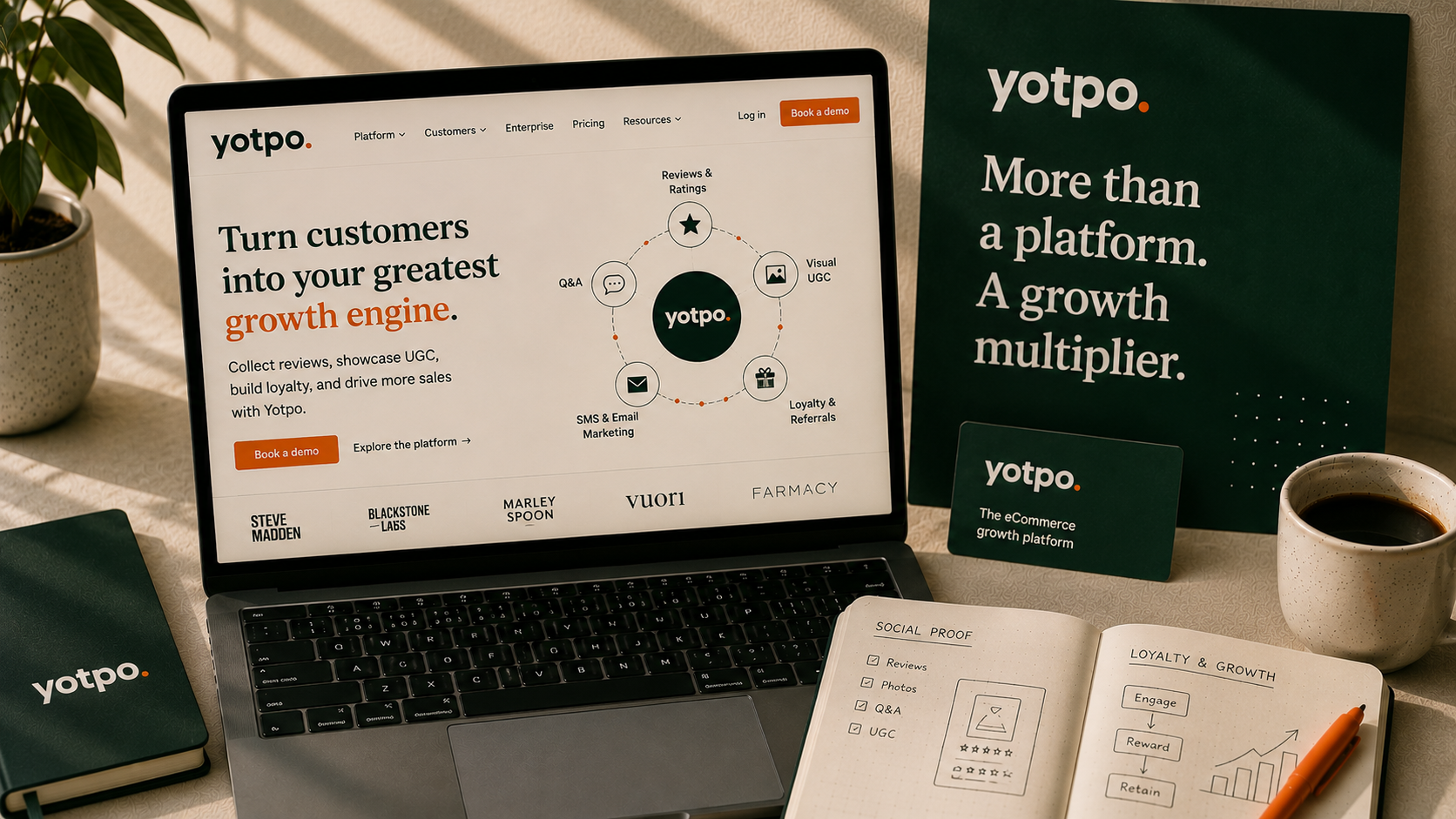
Yotpo combines customer reviews, user-generated content, and loyalty programs in one platform. For e-commerce brands where social proof drives conversion, having reviews and loyalty in the same system reduces integration complexity.
Key Features:
Loyalty and referral programs
Customer reviews and ratings
Social media integration
Analytics on customer behavior
Notable use case - An e-commerce brand where reviews already drive conversion, and adding loyalty on the same platform avoids running two separate integrations for two related jobs.
Pricing signal - Free at the entry tier, same as Smile.io, with the same 500-order-per-month ceiling before feature gaps and per-transaction fees make a paid tier the better deal.
What to watch - Yotpo's core strength is reviews, not loyalty mechanics. Brands that need loyalty logic beyond points and referrals - tiers, coalition programs, deep segmentation - will find dedicated tools like LoyaltyLion or Loyoly go further.
Pricing:
Starting Price: $0/month (limited features)
Outgrowing what SaaS loyalty platforms can offer? When standard loyalty logic isn't enough, a custom-built solution gives you full control. Talk to our team
Best Loyalty Software for Small Retail and Cafés
5. Loyalzoo
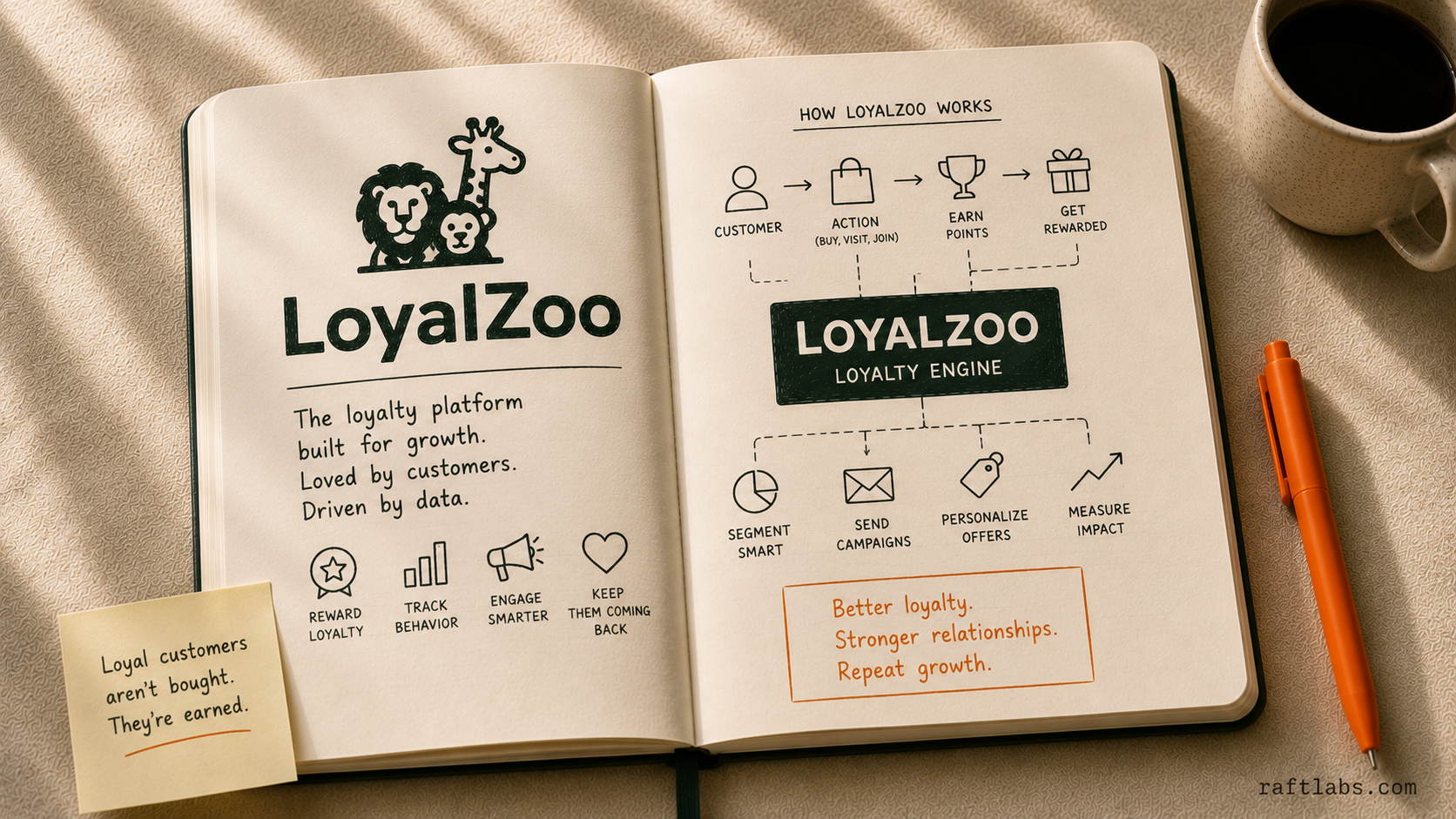
Loyalzoo is built for small to medium businesses that need a digital loyalty program without technical complexity. Setup takes hours, not weeks.
Key Features:
Points-based loyalty programs
Customer engagement tools
Mobile app for customers to track rewards
Integration with POS systems
Notable use case - A small café or independent retail shop moving off paper punch cards that wants a digital program running the same day, without a technical setup process.
Pricing signal - $49/month is priced for single-location or small-chain retail, not for stores that also need e-commerce loyalty layered in.
What to watch - Loyalzoo covers basic stamp-and-points mechanics well but lacks the omnichannel depth of tools like Marsello or the POS-native integration of SpotOn and Loyverse. Businesses planning to add online sales alongside in-store should confirm it still fits before committing.
Pricing:
Starting at $49/month
6. Loyverse POS
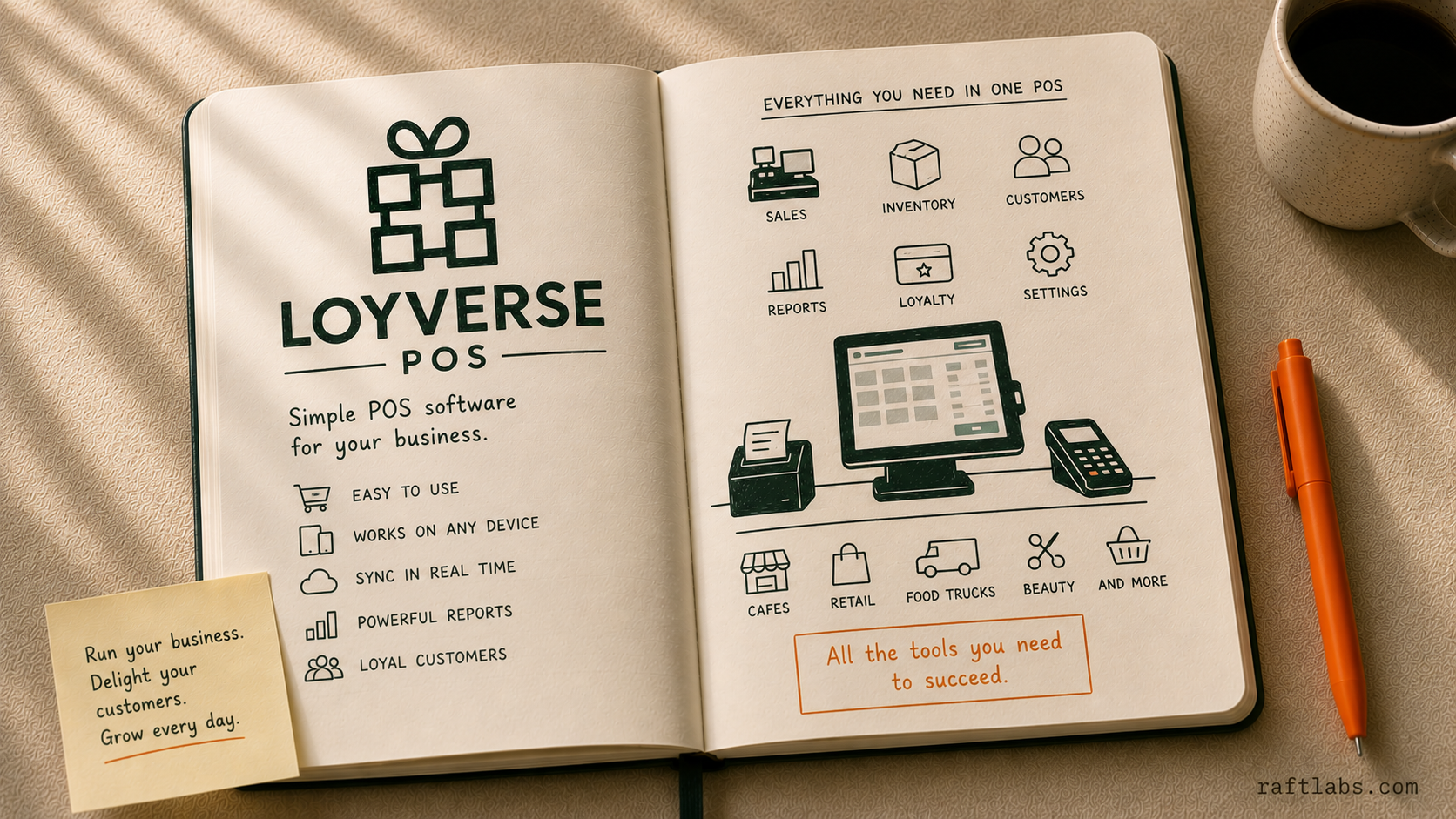
Loyverse POS is a free point-of-sale and loyalty program platform designed for small retail and restaurant businesses. The free tier is unlimited. No transaction caps, no expiring trials.
Key Features:
Loyalty program management
Inventory management
Sales analytics and reporting
Customer communication tools
Notable use case - A small restaurant or retail shop that wants POS and loyalty running from one system at zero cost, with no order cap or trial expiration to plan around.
Pricing signal - Genuinely free at the core tier, with paid add-ons only for extra functionality - unusual in a category where most "free" plans cap out fast.
What to watch - Loyverse is a POS system with loyalty built in, not a dedicated loyalty platform. Businesses that already run a POS they're happy with won't want to switch systems just to get the loyalty features.
Pricing:
Free to use with optional paid add-ons
7. SumUp
SumUp offers customer loyalty as part of its broader payment stack. If you're already using SumUp for payments, the loyalty feature extends that infrastructure without adding a separate vendor.
Key Features:
Loyalty points accumulation
Customizable rewards programs
Integration with SumUp's payment solutions
Analytics and reporting on customer behavior
Pricing:
Custom pricing; loyalty features may require additional fees
Best Loyalty Software for Restaurants and Hospitality
8. SpotOn
SpotOn is a unified loyalty and marketing platform for restaurants, built into its POS system. The tight POS integration means loyalty data and transaction data are in the same place. Most restaurant loyalty tools don't achieve this.
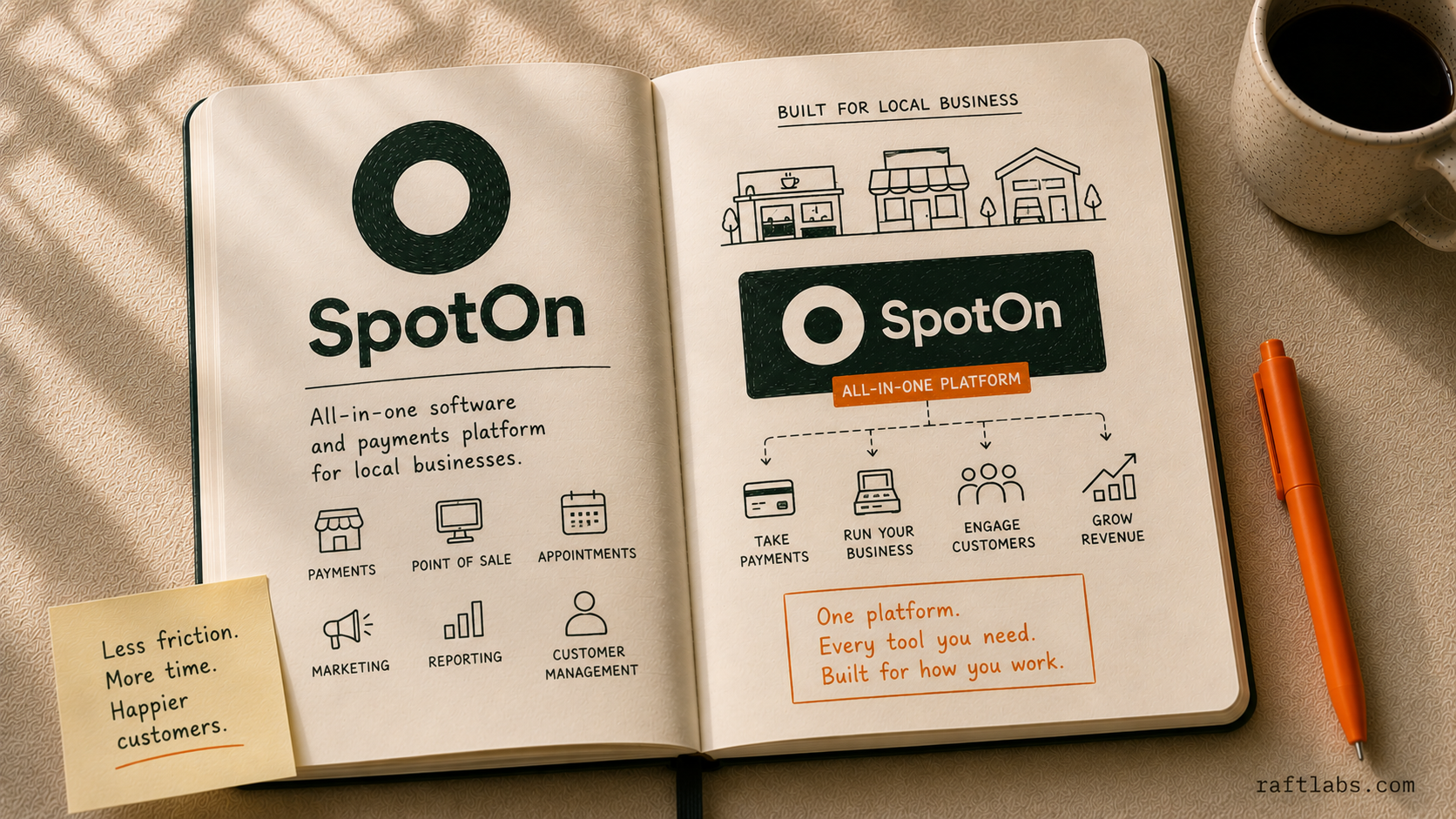
Key Features:
Customizable loyalty programs
Review management and customer feedback tools
Integrated payment processing
Analytics and reporting
Pricing:
Custom pricing
9. Preferred Patron
Preferred Patron offers omnichannel reward delivery (email, SMS, app, and in-store) from a single platform. For service businesses that operate across multiple touchpoints, this reduces the fragmentation that causes loyalty programs to underperform.
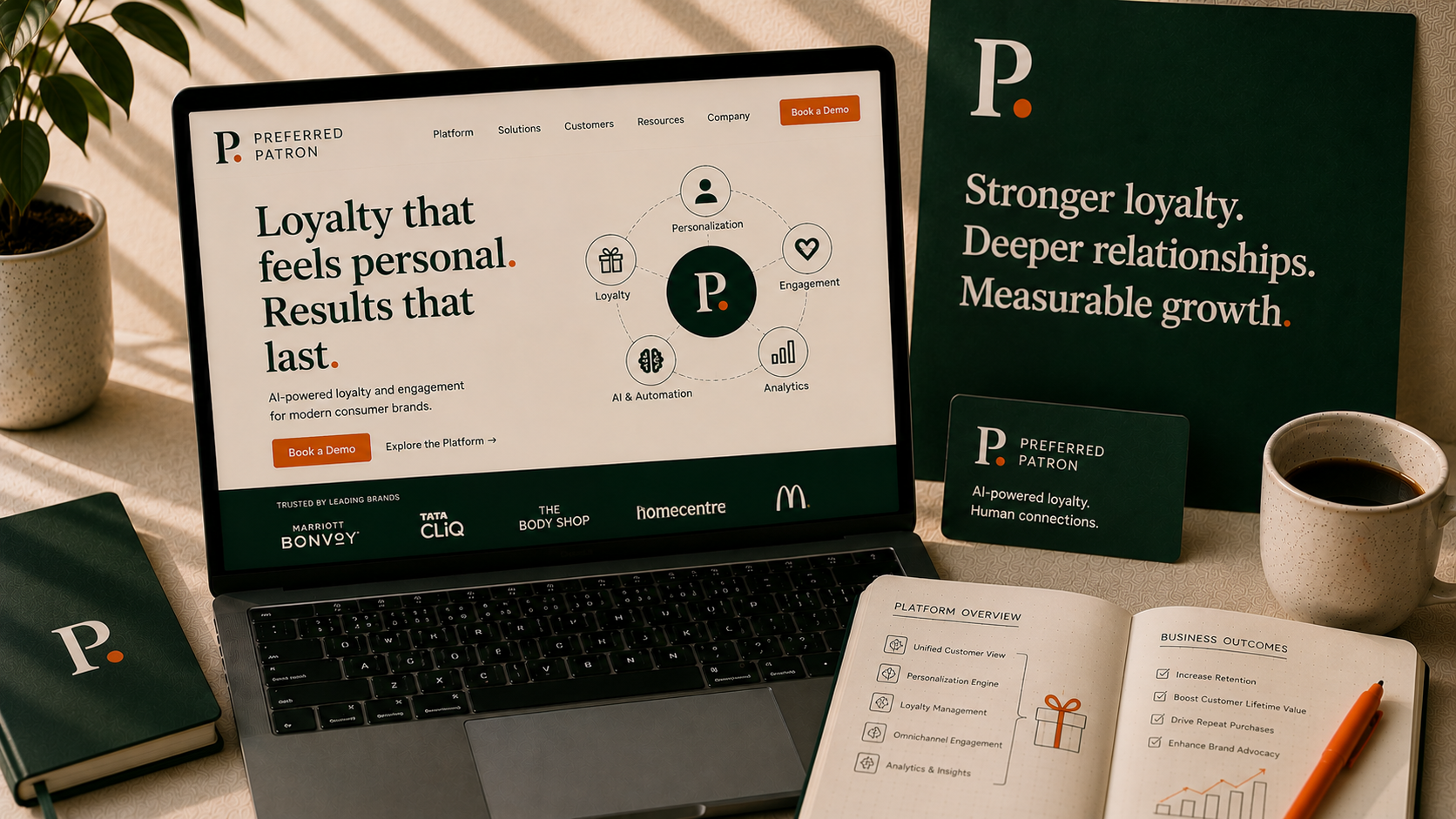
Key Features:
Points-based rewards programs
Automated email and SMS marketing
Customer segmentation and targeting
Integration with various POS systems and e-commerce platforms
Pricing:
Starting at $149/month
Best Loyalty Software for SaaS and Subscription Businesses
10. Zoho CRM
Zoho CRM is the right choice when you want loyalty mechanics built into your CRM, not as a separate tool that requires synchronization. For SaaS businesses that already track customer health scores and usage data in CRM, this reduces integration overhead.
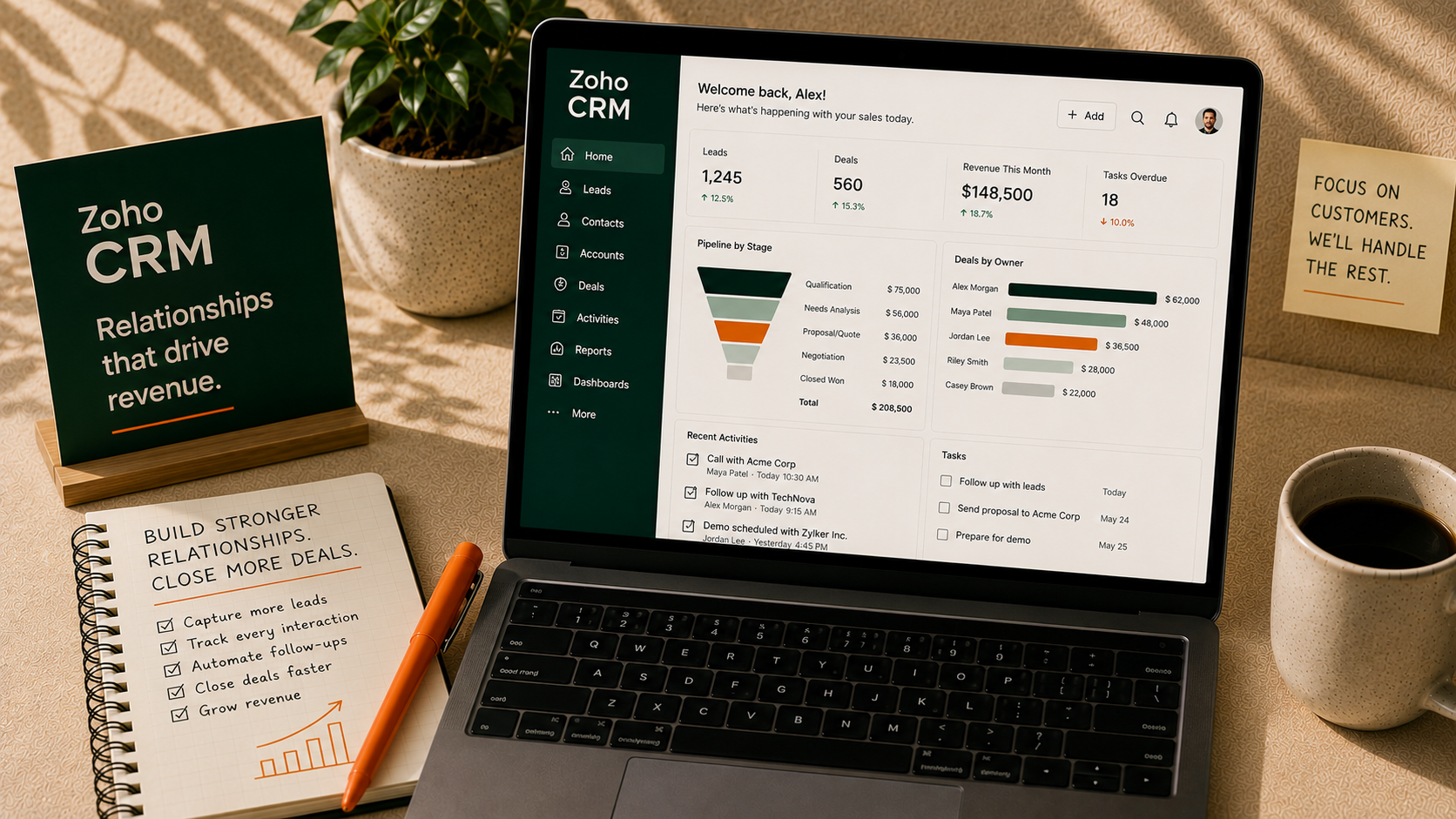
Key Features:
Loyalty program management
Customer segmentation and targeting
Email marketing and automation
Sales pipeline management
Pricing:
Free plan available
Paid plans start at $12/user/month
11. Rise.ai
Rise.ai focuses on store credit and gift cards for e-commerce. For subscription and DTC brands, store credit is often a more effective retention mechanic than points. Customers have a concrete reason to return without the complexity of a tiered program.
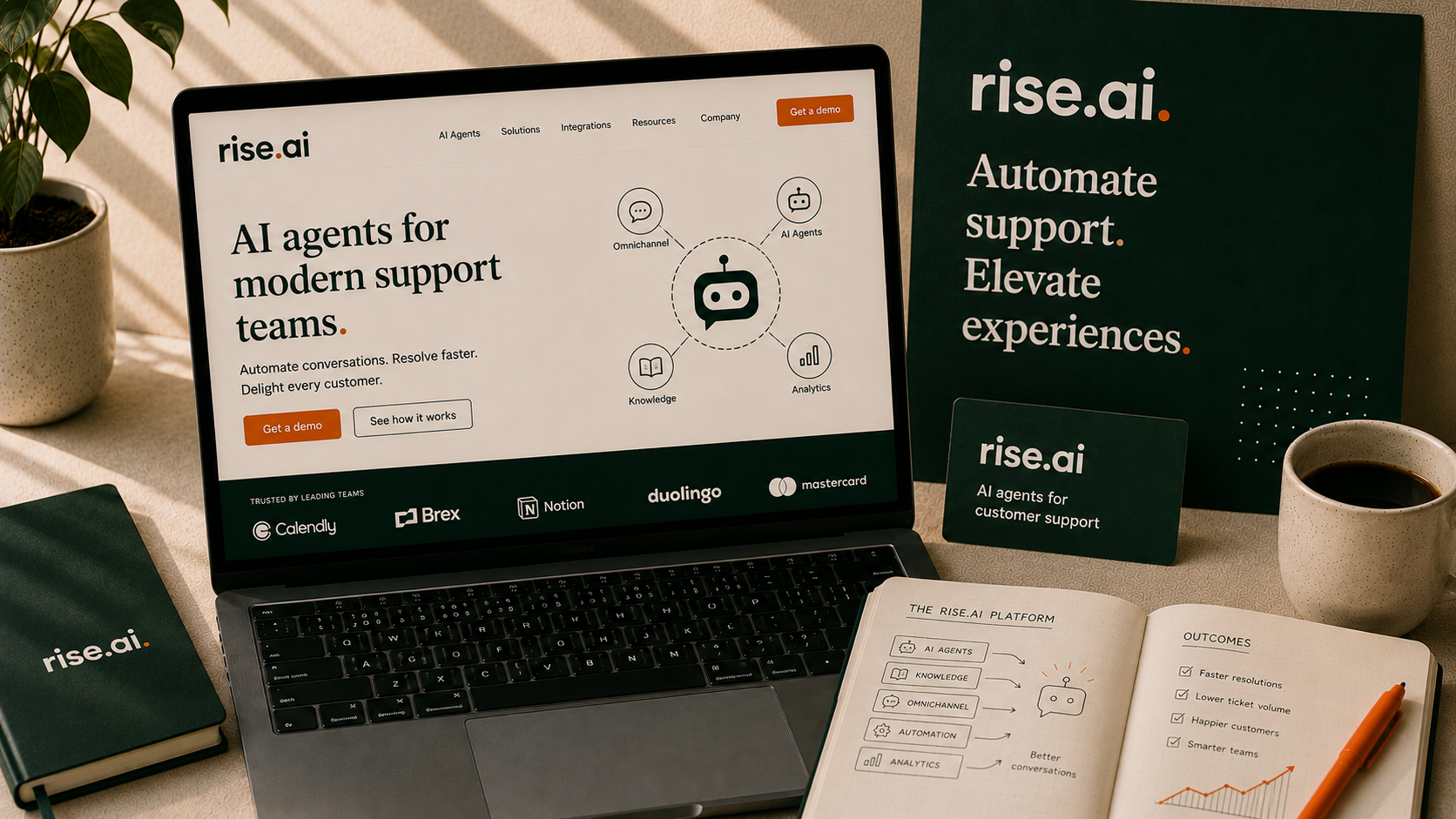
Key Features:
Gift card creation and management
Store credit and loyalty points
Automated rewards for referrals and birthdays
Integration with major e-commerce platforms
Pricing:
Starting at $19.99/month
12. Marsello
Marsello connects online and in-store loyalty data. That's the single hardest integration problem for omnichannel retail. If you have both a physical and digital presence, this is the clearest differentiator Marsello offers.
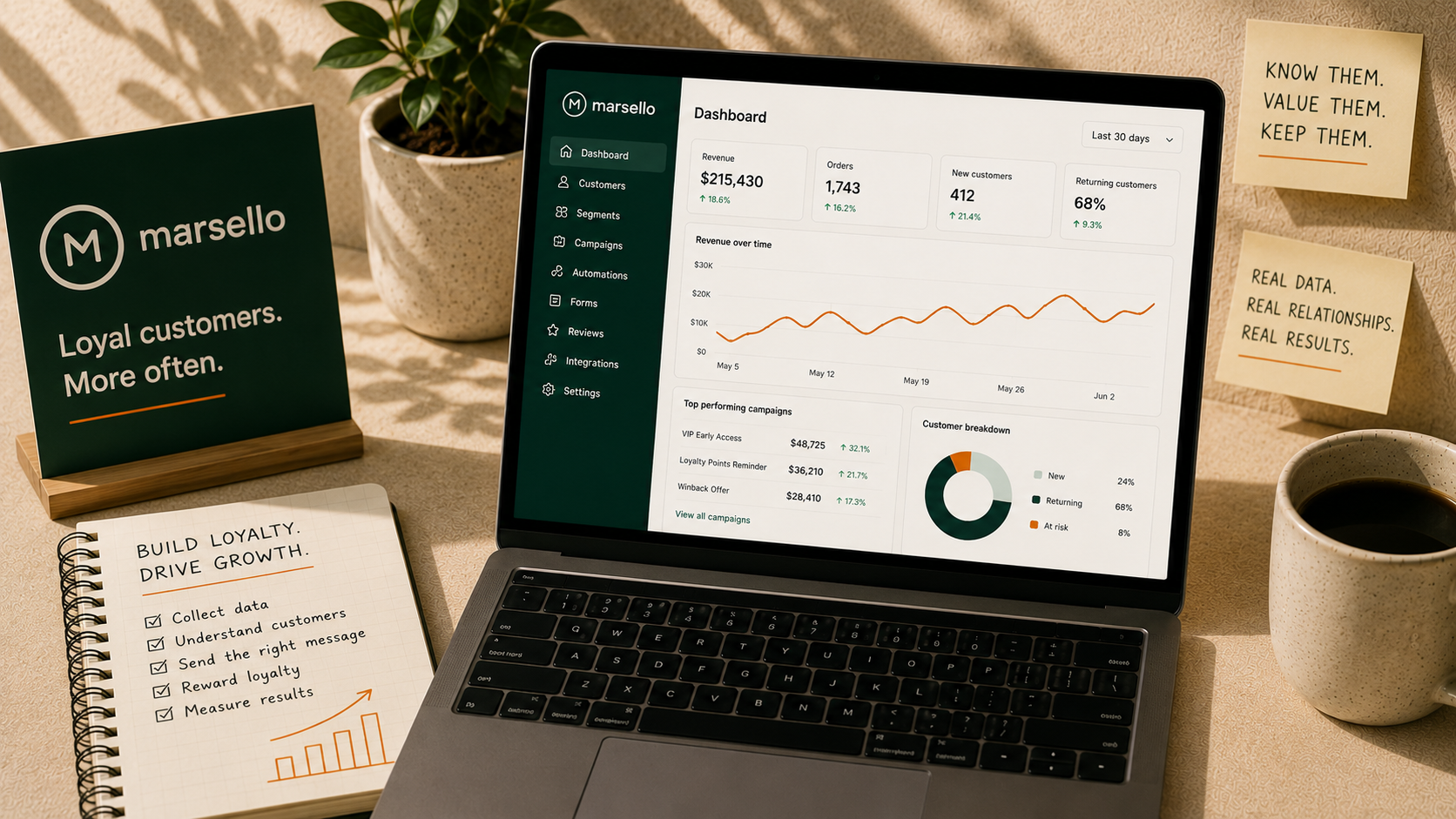
Key Features:
Loyalty points and rewards programs
Automated email and SMS marketing
Customer segmentation and personalized recommendations
Integration with popular e-commerce platforms
Pricing:
Starting Price: $125/month
Free Trial: 14 days
Best Enterprise Loyalty Software
13. Capillary Technologies
Capillary Technologies is built for brands operating at scale. It's a full loyalty management platform used by large retail, consumer, and digital-first businesses. The core value is simple: stop spreading customer data across tools. When online and offline touchpoints are connected, brands reward customers correctly and at the right time.
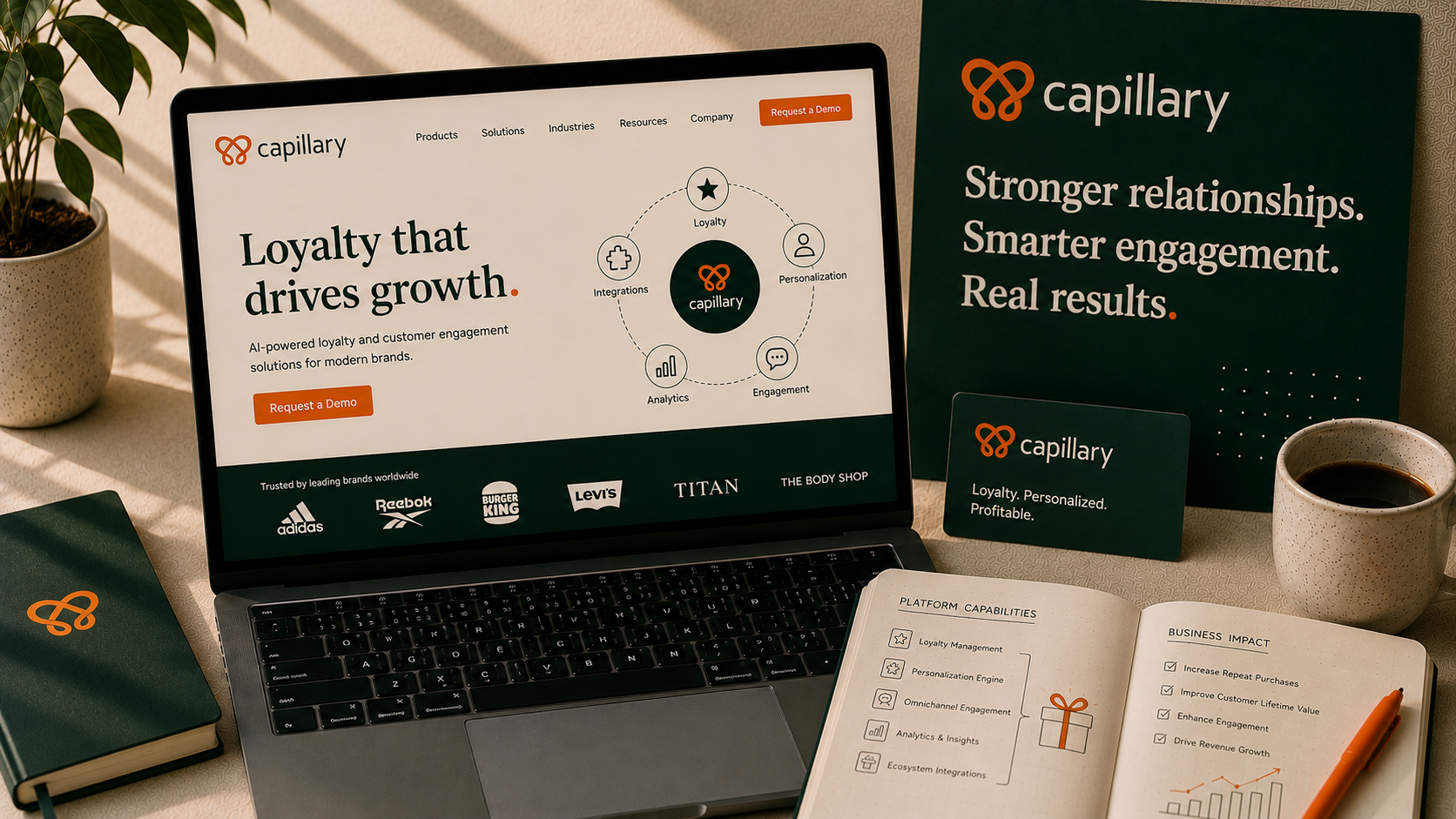
Key Features:
Points-based, tiered, and behavior-based loyalty programs
AI-powered customer segmentation using real-time data
Cross-channel delivery (POS, mobile, email, SMS, WhatsApp, web)
Live dashboards for performance tracking
Built-in Customer Data Platform (CDP)
Strong security, fraud controls, and enterprise governance
Pricing:
Custom pricing based on business size, data volume, and loyalty complexity
14. Zinrelo
Zinrelo (now TrueLoyal) provides a multi-dimensional loyalty engine for enterprise brands. It goes beyond standard points-and-redeem mechanics to support coalition programs, behavioral loyalty, and multi-brand management.
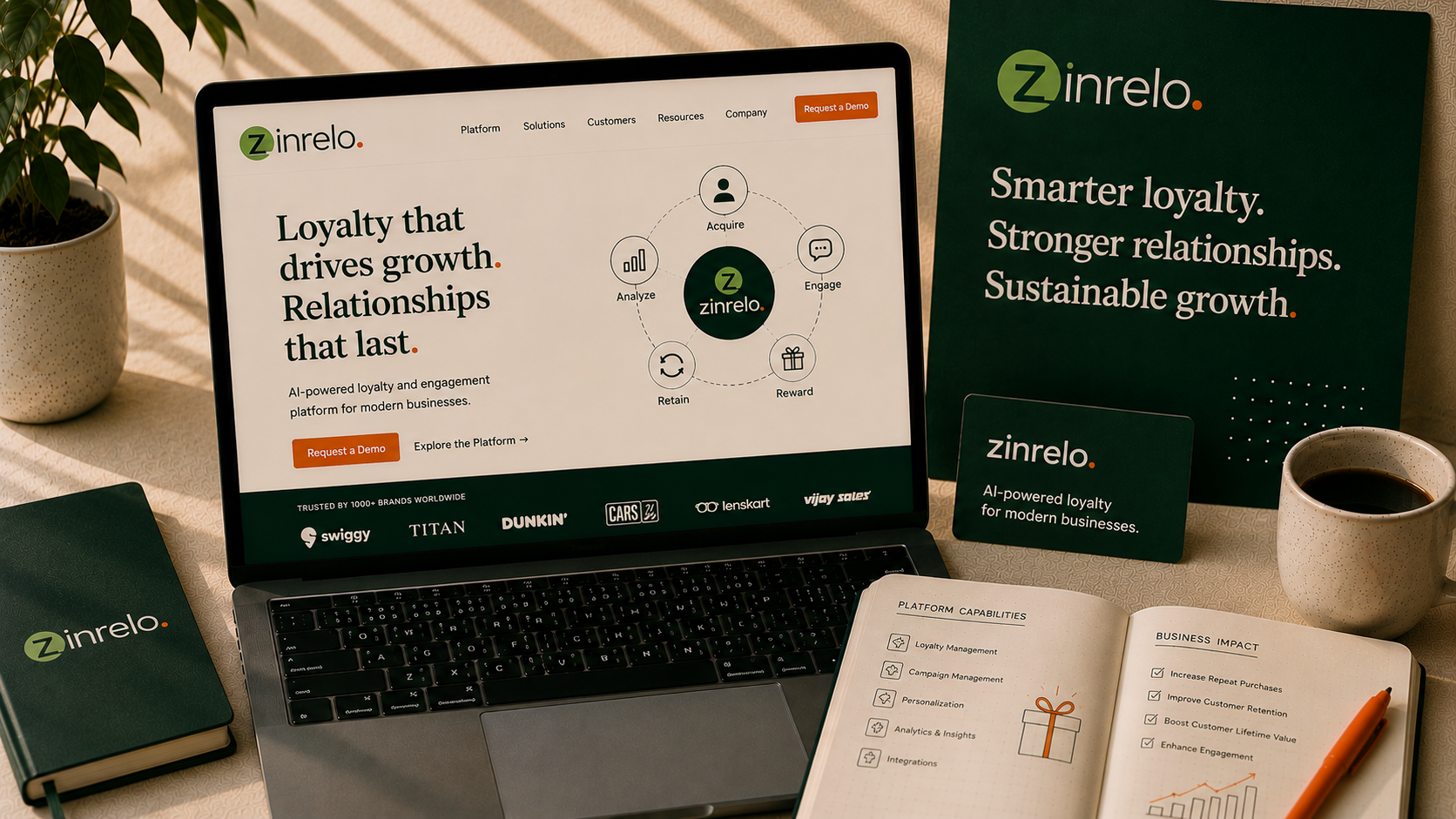
Key Features:
Points-based rewards and referral programs
Campaign management and automation
Customer segmentation and targeting
Integration with e-commerce platforms and POS systems
Pricing:
Custom pricing
Other Loyalty and Engagement Tools Worth Considering
15. Kangaroo
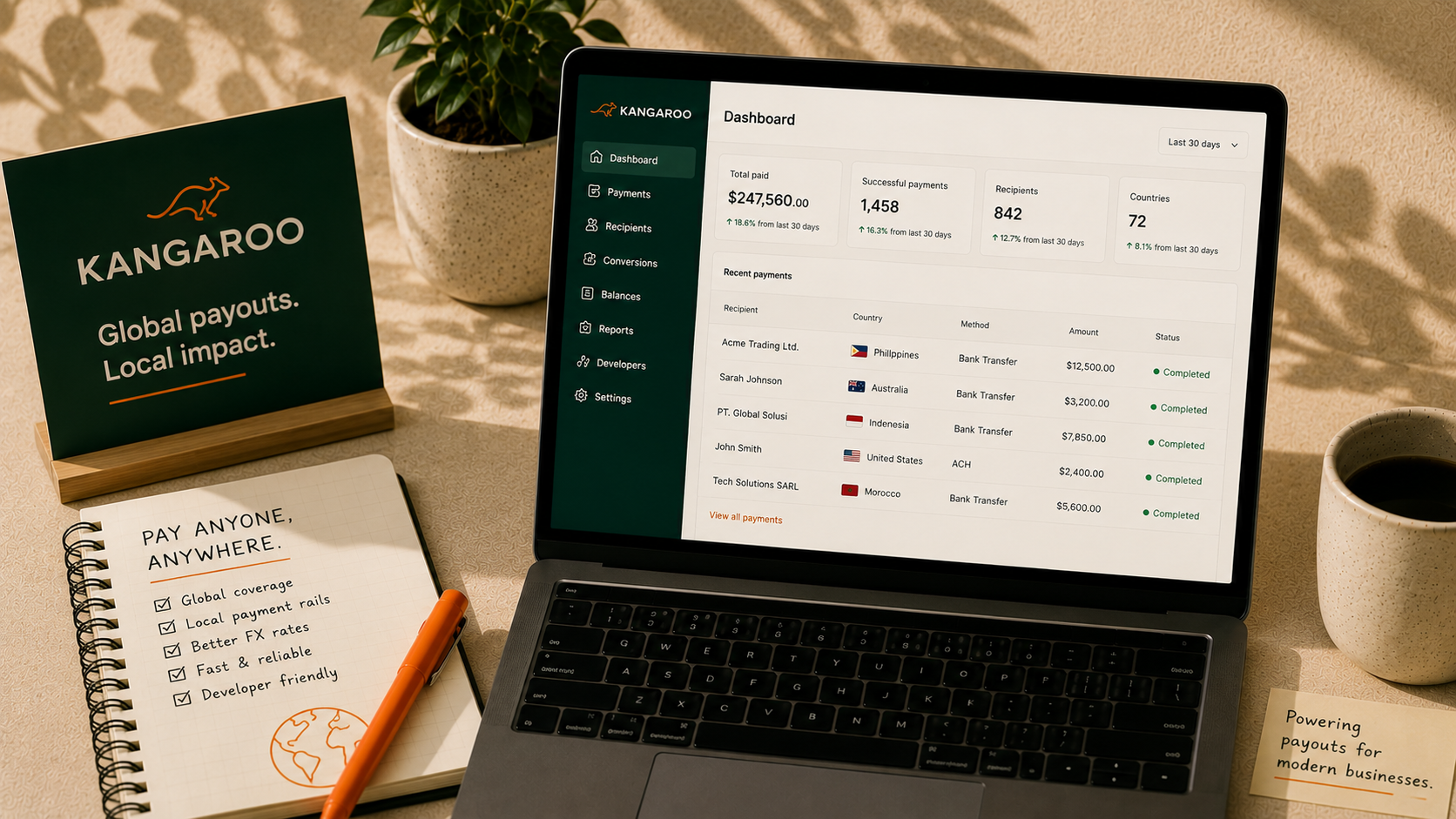
Kangaroo includes a white-label app option. That's a genuine differentiator for SMBs that want branded loyalty without the cost of building a custom app.
Key Features:
Points-based rewards system
Automated marketing campaigns
Customer segmentation and targeting
Integration with various POS systems
Pricing:
Starting Price: $59/month
Free Trial: 30 days
16. Trustpilot
Trustpilot is primarily a review platform, not a loyalty tool. Its value in a loyalty context is using verified social proof to retain customers who are considering switching. That's a different mechanic than rewards, but a real retention driver.
Key Features:
Customer review management
Trust badges and social proof integration
Customer feedback and engagement tools
Analytics on customer sentiment
Pricing:
Custom pricing
17. Empuls
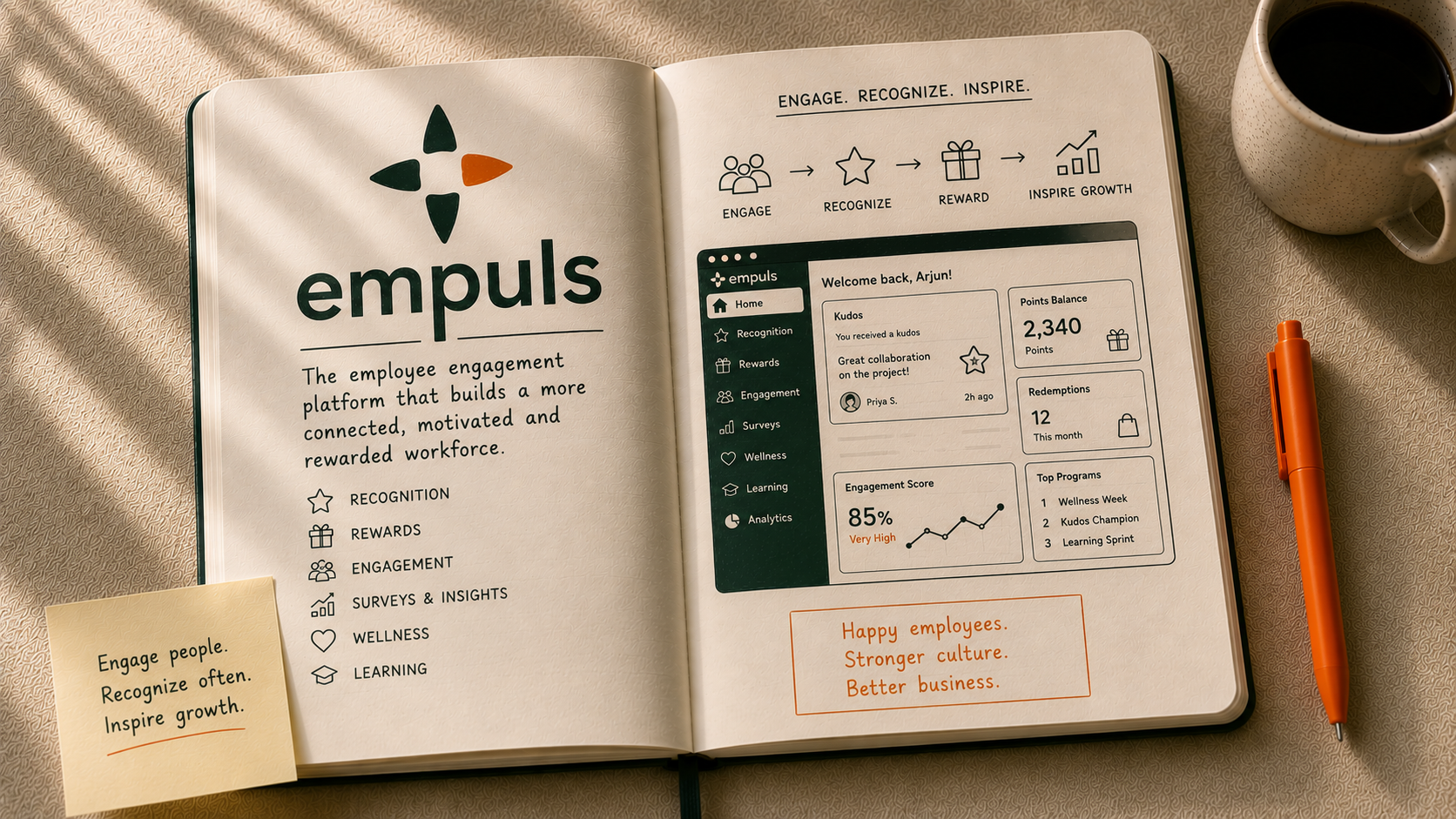
Empuls is an employee engagement platform that includes customer loyalty features. It belongs in this list for B2B companies that want to run loyalty mechanics for both customers and internal teams from one system.
Key Features:
Employee recognition and rewards
Customer feedback and sentiment analysis
Social recognition and peer-to-peer awards
Integration with HR systems
Pricing:
Custom pricing based on organization size
18. Froogal
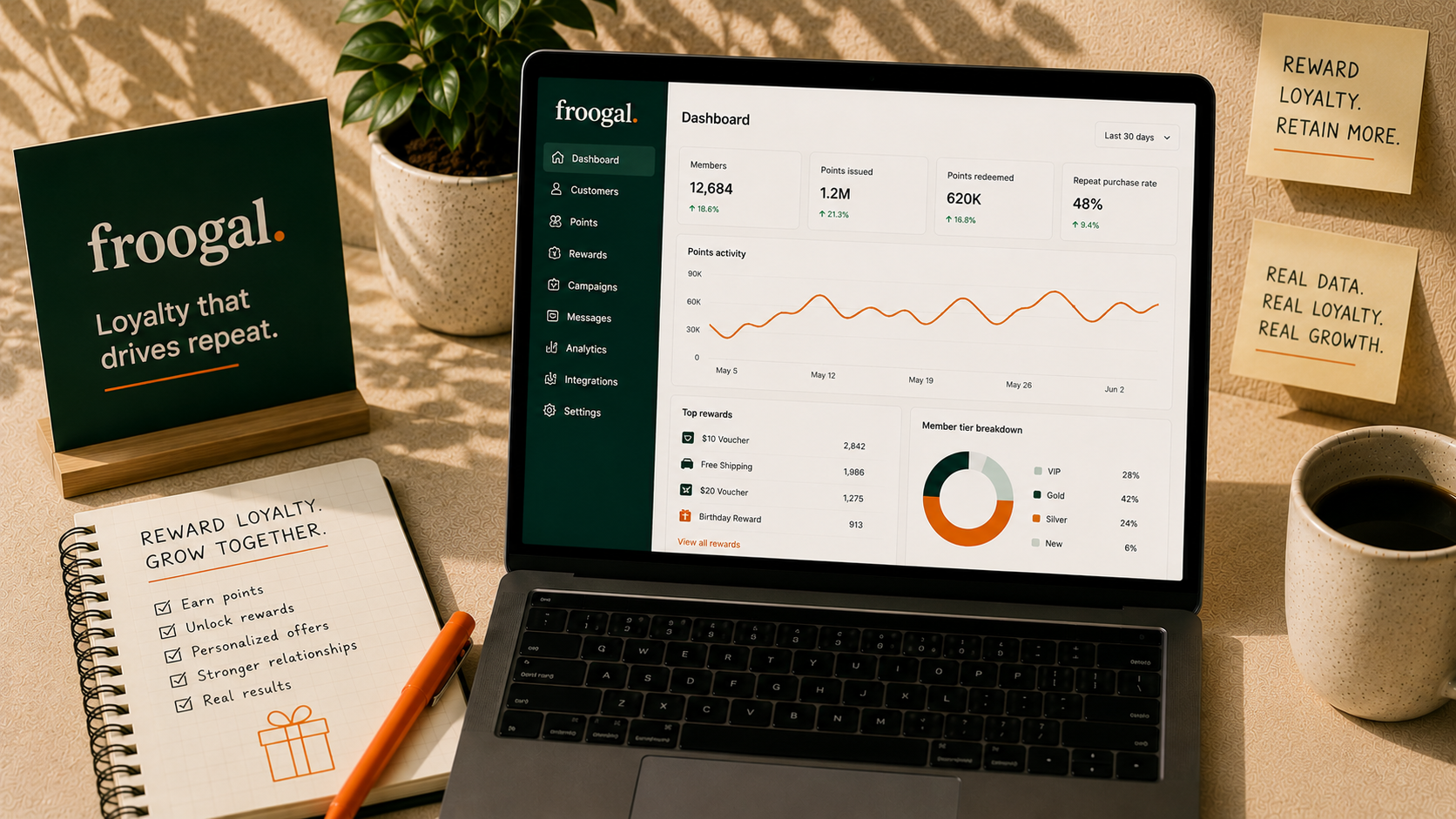
Froogal uses tier-based gamification designed for quick-service restaurants and retail chains. If your customers respond to status and competition rather than pure discount mechanics, the gamification layer is worth evaluating.
Key Features:
Points-based rewards system
Customer feedback and survey tools
Campaign management and analytics
Integration with POS systems and e-commerce platforms
Pricing:
Custom pricing
19. Tremendous
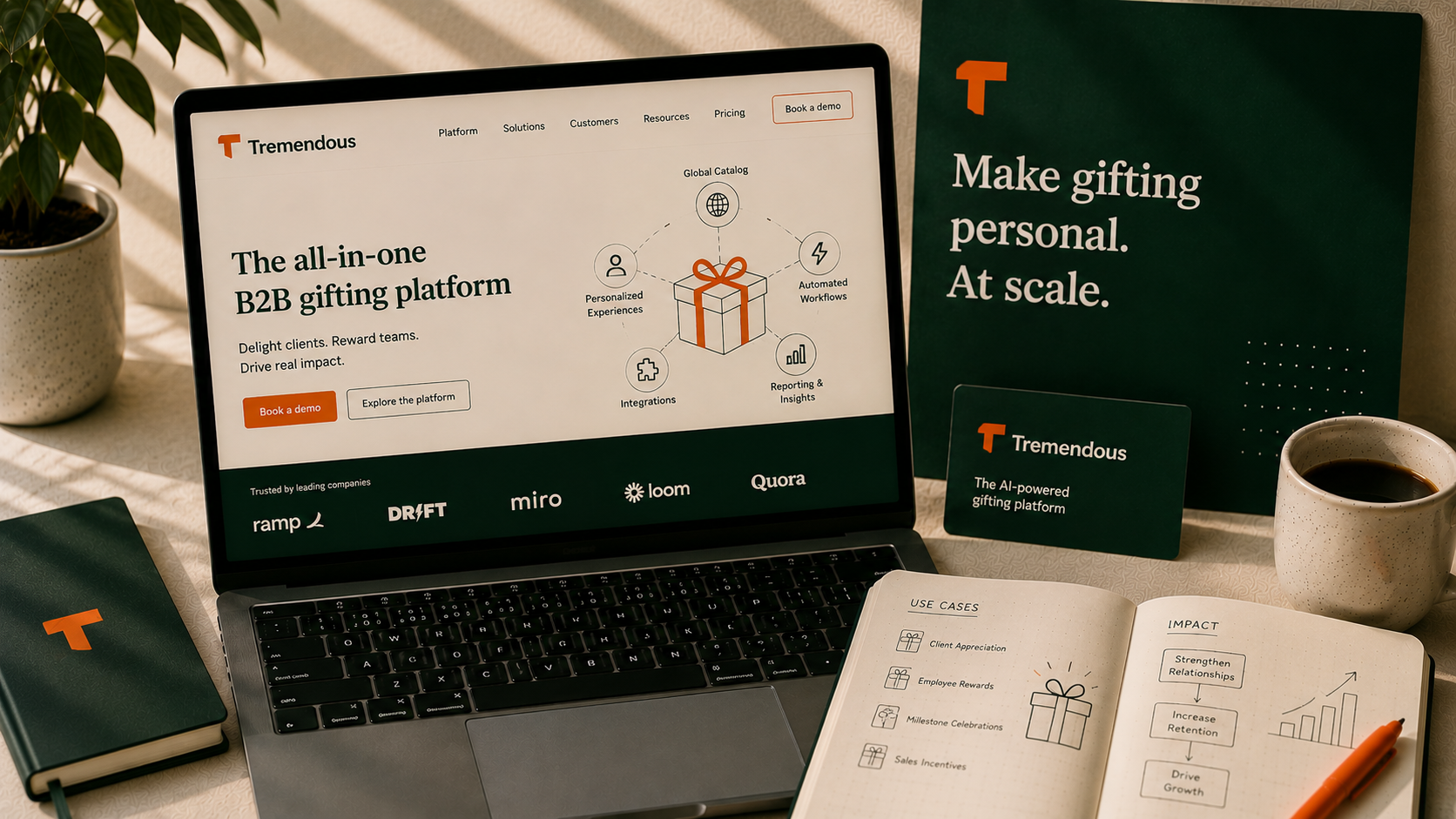
Tremendous manages B2B reward distribution across 2,000+ global reward options from a single dashboard. For companies running referral programs, partner incentives, or survey participation rewards, this eliminates the operational overhead of managing reward fulfillment manually.
Key Features:
Digital and physical reward distribution
Customizable reward catalogs
Reporting and analytics on reward usage
Integration with HR and payment systems
Pricing:
Free to set up; fees based on reward volume
20. BHN Rewards
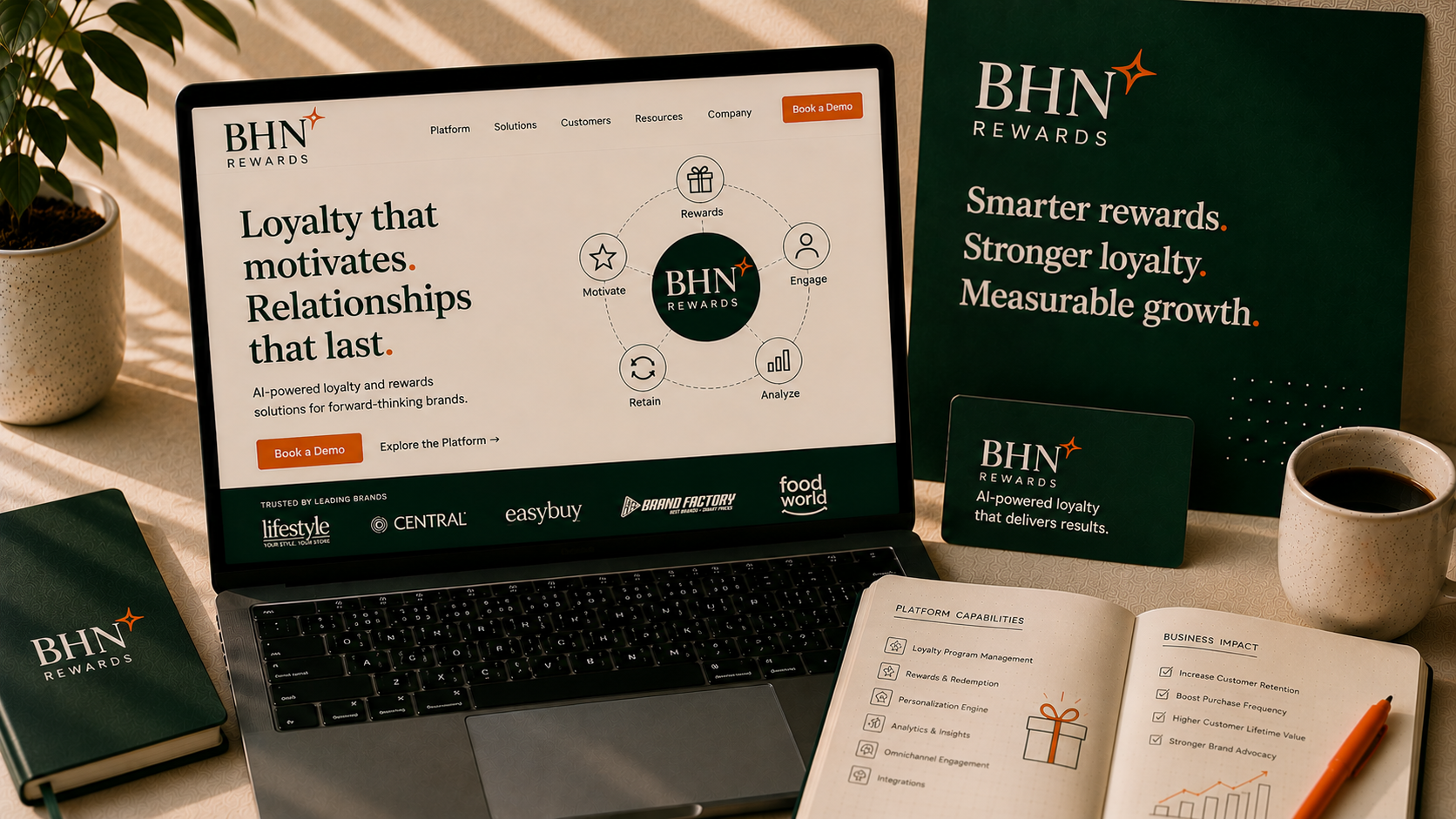
BHN Rewards is a gift-card and reward delivery platform designed for corporate and hospitality programs. For hotels and resorts running guest incentive programs, the personalized guest communication tools and hotel management system integrations are the primary draw.
Key Features:
Points-based rewards programs
Guest feedback and survey tools
Integration with hotel management systems
Personalized guest communication
Pricing:
Custom pricing
See our case study: Customer loyalty platform for a utility company built with headless CMS and Gatsby JS.
When Off-the-Shelf Isn't Enough
The quick version: Smile.io or Yotpo for a Shopify store under 500 orders a month, LoyaltyLion for a mid-market store above $1M in revenue that needs tiered VIP mechanics, Loyalzoo or Loyverse POS for small retail and cafés wanting simple digital stamps, and Capillary Technologies or Zinrelo for enterprise operations running loyalty across multiple regions or brands.
Every platform on this list handles standard loyalty mechanics well. They break down at the edges:
Reward logic that doesn't map to a standard points-earn-and-redeem model
Deep integration with proprietary or legacy systems
Multi-brand programs running from a single admin console
Regulated industries with specific data handling requirements
Member bases above 50,000 where per-member platform fees compound
When your requirements sit outside those templates, a custom-built platform typically costs less to own over five years than forcing workarounds onto an off-the-shelf system.
RaftLabs has built 20+ loyalty products for retail, hospitality, and B2B clients globally. If none of the platforms above fits your requirements, tell us what you need and we'll scope a solution built around your business, not around a vendor's pricing tiers.
Ask an AI
Get an instant summary of this post from your preferred AI assistant.
Common questions
- A loyalty program platform helps businesses design, manage, and track rewards programs. Key mechanics include points-based rewards, customer segmentation, automated campaign triggers, and integration with POS, CRM, and email tools. The right platform depends on your transaction volume, industry, and how much customization your reward logic requires.
- Loyalty programs increase repeat purchases by giving customers a forward-looking reason to return. A member who is 200 points from a free item will choose you over a competitor that day. According to Accenture research, loyalty members generate 12-18% more incremental revenue per year than non-members because they buy more frequently and spend more per visit.
- Digital loyalty programs run through mobile apps or web platforms. Customers earn points for purchases, referrals, or defined behaviors. They check balances and redeem rewards without physical cards. The platform tracks every transaction, giving the business data to personalize offers by segment, purchase history, or visit frequency. Most platforms also support push notifications to re-engage members who haven't visited in 30+ days.
- A custom loyalty app built from scratch typically costs $20K-$60K for a full-featured platform with member management, reward logic, and CRM integration. An MVP with core mechanics ships in 6-8 weeks for $10K-$20K. RaftLabs has built 20+ loyalty platforms for retail, hospitality, and B2B clients. The most common trigger for custom builds is unique reward logic or multi-brand program requirements that off-the-shelf tools can't support.
- The five non-negotiables: (1) customizable reward mechanics (points, tiers, cashback, punch cards) matched to your customer behavior; (2) integration with your POS, CRM, and email platform; (3) customer segmentation to target by purchase history; (4) analytics showing redemption rates, member revenue, and churn; and (5) pricing that doesn't compound per-transaction fees at your volume.
- Self-serve tools like Smile.io or Loyalzoo can go live in hours since they're built for no-code setup. Mid-market platforms like LoyaltyLion typically take one to two weeks to configure tiers and integrations correctly. Enterprise platforms such as Capillary Technologies or Zinrelo involve a dedicated onboarding process that can run four to eight weeks depending on data migration and integration scope. A custom-built platform's MVP timeline runs six to eight weeks.
- Once volume moves past a few hundred orders per month, or reward logic needs tiers, coalition programs, or multi-brand management, self-serve tools start hitting feature and pricing limits. Enterprise platforms like Capillary Technologies or Zinrelo are built for that scale and carry custom pricing to match. Below that threshold, the setup overhead and cost of an enterprise platform outweigh what it delivers.
- Three to watch for: annual contracts with no early-exit clause before you've had time to validate ROI, per-transaction fees that aren't disclosed until after signup (common on entry-level plans), and data-ownership language that limits your ability to export member and transaction history if you switch platforms later. Get the full fee schedule and data-export terms in writing before signing, not after the trial ends.
- Ask for their status page URL and historical uptime percentage, not just a stated SLA number. Cross-check outage history with a third-party monitor if the vendor won't share logs directly. For loyalty specifically, ask what happens to point balances and redemption requests during downtime; a vendor that can't answer that clearly hasn't stress-tested the failure case.