
9+
Difficulty building a SaaS product that is scalable for rapid user growth
Struggling to implement multi-tenant architecture effectively
SaaS Application Development Services
Most SaaS products fail before they find product-market fit, not because the idea was wrong, but because the architecture couldn't handle growth, the codebase couldn't be handed off, or the compliance conversation arrived before the infrastructure was ready.
As a SaaS application development service provider, we build SaaS products that are designed for growth from day one; scalable architecture, clean handoff-ready code, and compliance-ready infrastructure. From a lean MVP to a multi-tenant, enterprise-ready platform, end to end, fixed price, on a timeline your investors will believe.
Production-ready in 12–14 weeks depending on scope, not 6 months
Multi-tenant architecture designed to scale from day one
Fixed price, no invoice surprises mid-build
SOC 2, HIPAA, GDPR compliance built in
Why Our SaaS Development Services Stand Out
12 weeks
To launch your SaaS Product
4.9/5
Rated On Clutch
9+
Years of experience in MVP development
12 weeks
To launch your SaaS Product
4.9/5
Rated On Clutch
Our SaaS Application Development Services
Custom SaaS Application Development
We build SaaS products from scratch (web, mobile, and AI-powered) tailored to your business model, your user, and the compliance requirements of the market you're entering. Not a template adapted to your brief. A product scoped, designed, and built specifically for what you're trying to do.
Every custom SaaS build includes:
Requirements and business analysis before a line of code is written
Multi-tenant architecture designed for the right isolation model — shared schema, schema-per-tenant, or database-per-tenant based on your buyer profile
User authentication, role-based access control, and SSO integration
Subscription management and billing infrastructure (Stripe, Chargebee, or custom)
Analytics, reporting, and admin dashboard built for your operations team, not just your end users
SaaS Modernization
If your existing software is hitting a ceiling regarding performance, scalability, compliance, or just the cost of maintaining something that was never built for the cloud, we can rebuild it as a SaaS product without starting from zero.
Our modernization services include:
Full audit of your existing codebase and infrastructure before we recommend anything
Cloud migration to AWS or Azure with zero data loss and planned downtime measured in minutes, not days
Data migration with integrity validation at every phase — no single cutover until everything is confirmed clean
UX redesign where the existing product is holding users back, not just where it looks dated
Integration with the third-party tools your users and ops team actually depend on
SaaS Integration Services
A SaaS product that can't connect to the rest of your stack isn't finished. We build the integrations that make your product worth switching to, and worth staying on.
Integration work includes:
API development and integration
Custom connector development
Data synchronization solutions
Workflow automation between systems
Single sign-on implementation
SaaS Maintenance and Support
Shipping is not the end. The SaaS products that retain users are the ones that stay fast, stay secure, and keep improving after launch. We offer ongoing maintenance and support structured around your actual needs, not a retainer that covers nothing useful.
Our support services cover,:
24/7 infrastructure monitoring with defined response SLAs
Security patches applied before vulnerabilities are public
Performance optimization as usage scales like query tuning, caching, and CDN configuration
Feature development in ongoing sprints post-launch
Compliance monitoring as regulatory requirements evolve (SOC 2, GDPR, HIPAA updates)
Turn your SaaS idea into a product your users won't leave.
We scope every SaaS build around the architecture decisions that matter at launch and the ones that will matter at 10x your current scale.
Types of SaaS Applications We Develop
As a SaaS application development company, these are the types of products we build; each with its own architecture requirements, compliance considerations, and user expectations.
Enterprise SaaS Solutions
Large-scale platforms like these are built to handle complex operations across an entire organization. They typically pull together data, planning, and collaboration into a single system, instead of teams juggling multiple tools.
When we build these platforms, the goal is pretty straightforward. Make everyday work easier. Remove bottlenecks. Help teams get more done without overcomplicating things or adding extra steps. We build custom platforms with you so that everyday operations don’t feel like a struggle. The idea is simple. It is to help your team move faster and not waste effort on things that shouldn’t be hard.
Security and reliability are part of the foundation. We design apps with SOC 2 Type II readiness in mind, along with role-based access control and audit logging, so you have the visibility and control you need as you grow.
Examples:
Supply chain management tools
Project management platforms
Business analytics tools
B2B SaaS Products
These SaaS products are built to make how businesses work with each other less complicated. They help with coordination, day-to-day tasks, and reduce all the manual back and forth.
When we build B2B SaaS apps, we’re not just thinking about the people using it every day, but also the buyers evaluating it. Both sides matter. Our architecture decisions include multi-tenant data isolation, SSO integration, and API-first design, the three things enterprise procurement asks about first.
Examples:
Online storefronts
Inventory management systems
CRM systems
Workflow automation tools
B2C SaaS Applications
Consumer apps live or die by user experience. If it’s confusing or slow, people just leave. So most of the effort goes into making things simple and usable.
When our SaaS developers build, we try to get that right early. If people enjoy using it, they stick around. At the same time, we bake in things like GDPR, CCPA, and PCI from the start, so you’re not scrambling to fix it later.
It just saves a lot of back-and-forth and last-minute fixes down the line.
Examples:
Shopping cart and checkout systems
Personal finance management apps
Fitness tracking apps
Subscription-based services
Vertical SaaS Solutions
Vertical SaaS focuses on providing solutions tailored to specific industries, addressing unique sector needs with specialized features.
We build vertical SaaS for industries where compliance isn’t optional, it’s expected from day one. A lot of teams we work with have already tried tools that didn’t really get their space.
Compliance also changes depending on the industry. HIPAA in healthcare, PCI DSS in fintech, FERPA in education. We account for that early and build around it. That way, it’s already part of how the system works, not something added under pressure later.
Examples:
Real estate management tools
Legal case management systems
Our SaaS App Development Expertise and Reliability
25%
Reduction in development costs
2X
Faster app launches
100%
User-centric design focus
25%
Reduction in development costs
2X
Faster app launches
100%
User-centric design focus
Our Key Focus Areas for Building a SaaS Application
UX/UI
We focus on creating a delightful user experience for your SaaS app.
Our team designs intuitive user interfaces based on UX research, making sure your app is both functional and visually appealing.
Security
Security is essential for your users' trust.
We help to build a secure foundation for your SaaS app with strong security measures, data encryption, and compliance to keep things safe and reliable.
Scalability
As your business grows, so should your app.
We make sure your SaaS app is built to handle increasing users and data, so you can unlock its full potential and keep up with future demands.
Integrations
We integrate your SaaS app with essential tools and services, ensuring smooth workflows.
We also add AI-powered features to boost automation, data analysis, and personalization, enhancing the user experience.
Mobile-First Approach
We ensure your app works great on all devices.
Whether on desktop or mobile, your users will enjoy a seamless experience, no matter where they are.
Iteration
We believe in constant improvement. By gathering user feedback and data.
We help make ongoing updates to keep your SaaS app fresh, engaging, and ahead of the competition.
Are you ready to build a scalable SaaS product?
Stay ahead with a high-performing SaaS solution built on cutting-edge cloud technologies, tailored to your business needs.
SaaS Architecture Patterns We Apply
We choose architecture patterns based on your product's actual scale requirements and your team's ability to maintain what gets built, not on what's popular right now.
Backend Patterns
Microservices: For products where independent scaling matters. We design services with clear boundaries so components like billing, notifications, core logic, and AI workloads can scale, deploy, and evolve independently without impacting the rest of the system.
Serverless: For event-driven workloads and products with unpredictable traffic, especially at launch. This approach reduces baseline infrastructure cost, automatically scales with demand, and removes the need to manage servers for APIs, background jobs, and integrations.
Modular monolith: For early-stage SaaS where simplicity and speed of development matter more than distributed complexity. We structure the codebase into well-defined modules so it remains easy to understand, maintain, and gradually evolve into services as the product grows.
Event-driven architecture: For systems that rely on real-time updates, async workflows, and integrations. We use event-driven patterns to decouple components, improve system resilience, and support scalable processing for queues, webhooks, and background operations.
Frontend Patterns
Single-page application (SPA): For data-heavy dashboards and admin interfaces where fast interactions matter more than initial load time. We design SPAs to handle complex workflows, real-time updates, and state management efficiently, so users can navigate without page reloads.
Progressive web app (PWA): For SaaS products that need mobile-like performance without the cost and friction of a native app. PWAs enable offline access, push notifications, and fast loading on unreliable networks, making them a practical choice where performance impacts engagement.
Micro-frontend architecture: For large SaaS products with multiple teams owning different product surfaces. This approach allows teams to build, deploy, and scale features independently, while maintaining a consistent user experience. It reduces bottlenecks and supports faster iteration as the product grows.
Server-side rendering (SSR) and hybrid rendering: For products where initial load time, SEO, or performance on low-powered devices matters. We use SSR or hybrid approaches to ensure faster first paint, better discoverability, and a smoother experience across devices, especially for marketing pages or SEO surfaces.
Why Choose Us for SaaS App Development Project
Development Experience
We’ve spent close to a decade building SaaS across different industries, including some pretty complex setups.
There’s a track record behind it, but day to day, it’s really about solving problems properly and using the right tools when needed.
Customized Solutions
We usually start by understanding how things are working on your side, what’s working, what’s not.
From there, we build something tailored to your niche that actually helps your brand stand out a bit.
Transparent Communication
We're always available on Slack and Asana. You’ll always know where things stand in the development process.
Our team shares weekly updates, roadmaps, and open collaboration to keep you in control while we handle the technical heavy lifting.
Expertise in SaaS Architecture
Some products need multi-tenant, some don’t. We figure that out based on your use case instead of forcing one approach.
The goal is to keep things secure and scalable without driving costs up too much. We’ve built across different SaaS models and often use serverless to keep things easier to manage.
Development Approach
We use agile methodology with 2-week sprints to keep things flexible and efficient. You’ll have transparent communication and regular reporting throughout the project.
We ensure rigorous quality assurance and testing for reliable results. Our security-first development practices ensure your app is safe and secure.
End-to-End Services
We’re involved throughout, starting from ideas and design to actually building and connecting everything.
Our software development team covers all the roles needed, and we focus on delivering on time without turning the process into a headache.
Enterprise-Ready Reliability and Compliance
High Availability by Design
Infrastructure is designed to support 99.9% uptime through multi-AZ deployments, load balancing, automated failover, and continuous monitoring.
Compliance Built In
We align your system with enterprise expectations around security, certifications, and data residency from the start, with audit readiness in mind.
Infrastructure as Code
We use Terraform or AWS CDK so your infrastructure is versioned, documented, and easy for your team to understand, manage, and extend.
Build powerful SaaS Apps that drive growth
Our expert team crafts scalable, secure, and user-friendly SaaS solutions tailored to your business needs.
Who We Build SaaS Products For
SaaS development isn't the same at every stage. The architecture, the engagement model, and the definition of "done" are genuinely different for a pre-seed founder and a Series B company pushing into enterprise. Here's how we work with each.
For Startups
You need to get in front of users and investors before you run out of runway. That means shipping something production-ready — not a prototype, not a staging environment — in weeks, not quarters.
We scope your first SaaS product around 1–2 core features, the right multi-tenant foundation, and an 8–12 week build. The architecture is intentionally lean but built to evolve cleanly at Series A, not to impress anyone at launch. You leave with a product your users are actually using, a codebase you own outright, and real data to take into your next funding conversation.
If you're pre-launch and still validating your core assumption, start with our MVP development services before committing to the full SaaS build.
What we focus on:
8–12 weeks from scoping call to production deployment
Lean architecture that won't need a full rebuild when you scale
Fixed price — no mid-build surprises on a seed budget
Investor-ready product metrics built in from day one
For SMBs
You have paying customers and a product that works. The problem is the codebase was built for where you were, not where you're going. More users, more integrations, enterprise buyers asking compliance questions you can't answer yet, and a sales team promising features the product doesn't have.
We take over where your first build left off. That might mean modernising legacy architecture, introducing proper multi-tenant data isolation, adding SSO so your enterprise deals can close, or integrating the CRM and ERP tools your team keeps working around.
We extend what's working and fix what's holding you back, without a ground-up rebuild unless one is genuinely necessary, and avoid unnecessary engineering disruption.
What we focus on:
SaaS modernisation and cloud migration to AWS or Azure with planned downtime, not surprises
Multi-tenant architecture upgrades for enterprise-readiness and data isolation
Third-party integrations like CRM, ERP, payment providers, identity platforms
SOC 2 readiness and compliance documentation that enterprise procurement accepts
For Enterprises
You’re building a SaaS product at a scale where architecture decisions carry legal and commercial consequences.
Data residency, tenant isolation, SSO, audit logging, and uptime commitments are all part of your enterprise buyer’s procurement checklist. Missing any one of them can cost you the deal.
We build enterprise SaaS with the level of technical rigor these buyers expect. We implement physical or logical tenant isolation based on your requirements, design infrastructure across multiple availability zones, and architect systems to support 99.9% uptime. Compliance is built into the foundation, covering standards such as SOC 2, HIPAA BAA, GDPR, and data residency requirements.
What we focus on:
Single-tenant or schema-per-tenant isolation for regulated or sovereign data
99.9% uptime SLA through multi-AZ deployment, auto-failover, and real-time monitoring
SOC 2 Type II readiness, HIPAA BAA, GDPR compliance and data residency architecture
24/7 infrastructure monitoring and defined SLA response times
SaaS Architecture Design: Multi-Tenant vs Single-Tenant Architecture
Robust Cloud Foundations for Modern SaaS
We deploy and manage SaaS products on AWS and Microsoft Azure, choosing the platform based on product needs, target customers, and integration requirements. Both platforms provide strong global infrastructure, compliance coverage, and managed services that support long-term growth.
AWS
AWS is the primary choice for most SaaS builds. RDS, Lambda, ECS, CloudFront, S3, and Cognito cover the infrastructure needs of the majority of SaaS products. AWS holds SOC 2, HIPAA BAA, ISO 27001, and over 140 security and compliance certifications across its services.
Microsoft Azure
Microsoft Azure is the right call for SaaS products targeting enterprise buyers in Microsoft-heavy environments, or products that integrate deeply with Microsoft 365, Teams, or Active Directory.
Our Proven SaaS App Development Process

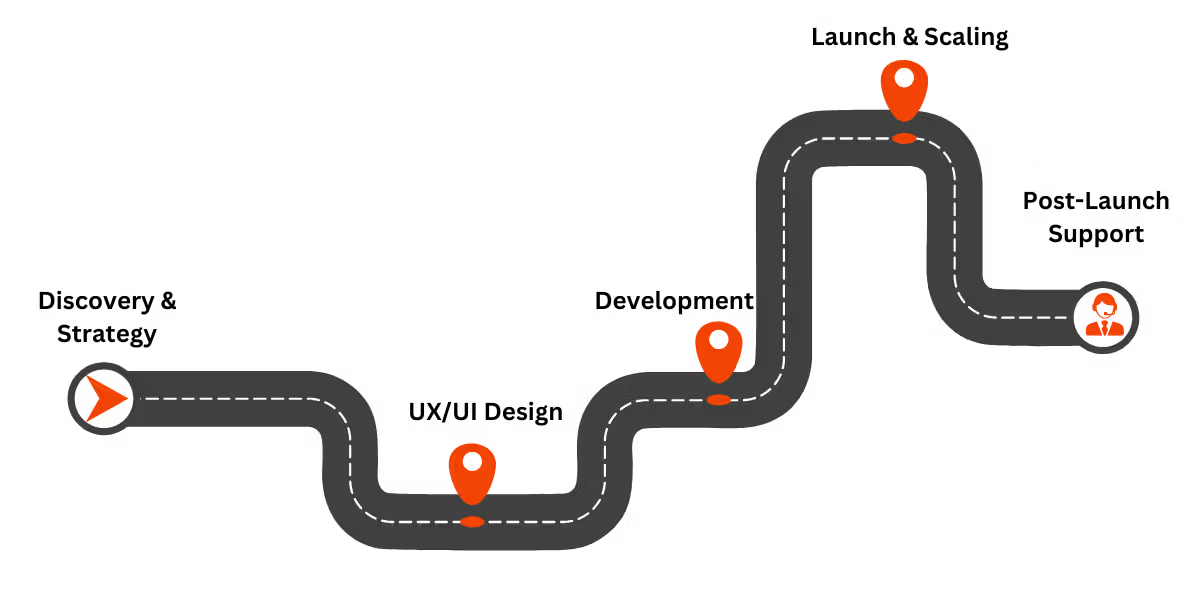
Discovery & Strategy
We start by understanding your vision and goals to build a strong foundation for success. Our strategic product discovery phase approach ensures your SaaS product is aligned with market needs and future growth.
Business requirements analysis
Market research and competitor analysis
Technical architecture planning
Product roadmap creation
📌 Deliverables: Project plan, Complete feature list
UX/UI Design
Most users won’t spend time figuring things out. If the flow is not smooth, they drop off. We try to keep things intuitive and consistent with your brand so it feels right to use.
User journey mapping
Wireframing and prototyping
Visual design with brand alignment
Usability testing
📌 Deliverables: Tech stack selection, Wireframe designs
Development
We don’t try to get everything perfect upfront. We start building, see how it shapes up, and keep refining it. You’re part of that process, with regular updates so things stay on track.
Agile development sprints
Regular demos and feedback integration
Continuous integration/continuous deployment
Comprehensive quality assurance
📌 Deliverables: A working MVP
Launch & Scaling
Launching is one part of it. After that, things usually get more real. We make sure the product can handle growth and doesn’t fall apart as usage increases.
Cloud infrastructure optimization
Performance testing under load
Security auditing
Controlled release management
📌 Deliverables: A high-quality and secure SaaS web app and mobile app launch.
Post-Launch Support
Launching is one part of it. After that, things usually get more real. We make sure the product can handle growth and doesn’t fall apart as usage increases.
Application monitoring
User feedback collection and analysis
Continuous improvement
Scaling support as user base grows
📌 Deliverables: App launch, Bug fixes, Feature updates, Compliance checks, and Ongoing technical support.
Before moving forward with development process, you can also go through our complete SaaS app development guide and cost of building SaaS application to plan your budget.
SaaS Application Development Service Cost
Minimum Viable Product
Get started with a simple yet lovable Minimum Viable Product (MVP) to attract early adopters and investors.
This package is perfect if you want to test your idea with real users before making a bigger investment.
We focus on building a functional, lightweight version of your product that delivers value without unnecessary complexity.
We’ll help you launch fast with a functional version of your idea.
- Mobile or web app with AI capabilities
- Clearly defined project scope and timeline
- 1-2 core features with a simple design
- Turnaround time: 6-8 weeks
Full-Featured Product
Get a well-designed, scalable full-featured product ready for market launch.
If you're looking for a robust, high-quality SaaS solution that’s user-friendly and ready to scale, this is the ideal package.
We build apps with smooth functionality, multiple features, and integrations that align with your business goals.
Ideal for businesses looking for a complete, polished solution.
- iOS, Android, and web app with AI development
- Tentatively defined scope with room for enhancements
- Multiple core features with custom design
- 3rd party integrations
- Turnaround time: 12-14 weeks
Innovative Tech Product
For visionary projects that require deep-tech innovation and cutting-edge design.
If your idea involves AI, AR, VR, or any groundbreaking technology, we’ll create a tailored solution.
This package is designed for companies that need a unique, highly specialized product with top-tier performance and immersive user experiences.
Perfect for AR, VR, AI, and next-gen experiences.
- Multi-platform apps with AI integration
- Custom-built for highly complex business needs
- Unique bottom-up designs with engaging animations
- AR, VR, AI, or any advanced tech solution
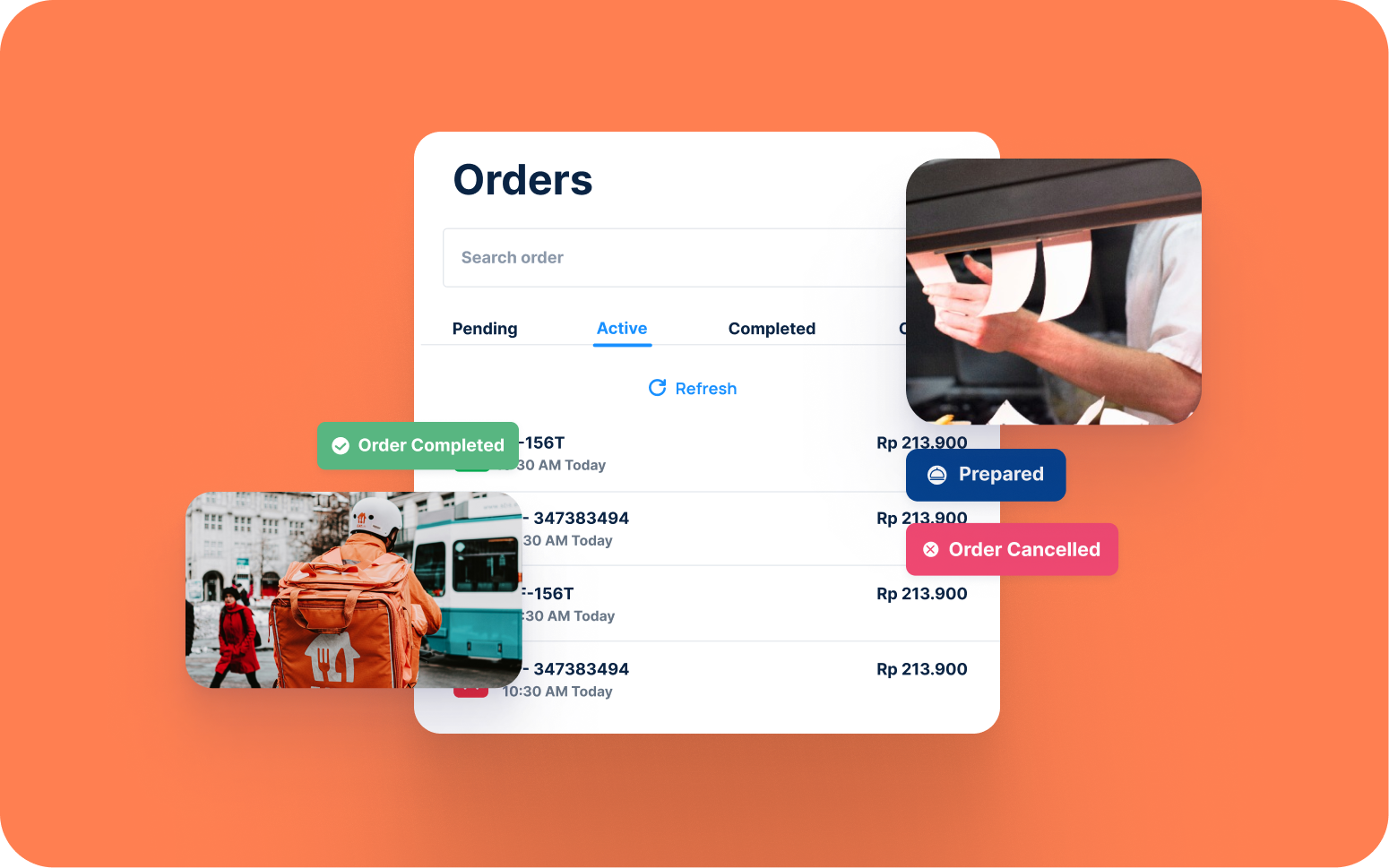
Our SaaS Application Development Success Stories





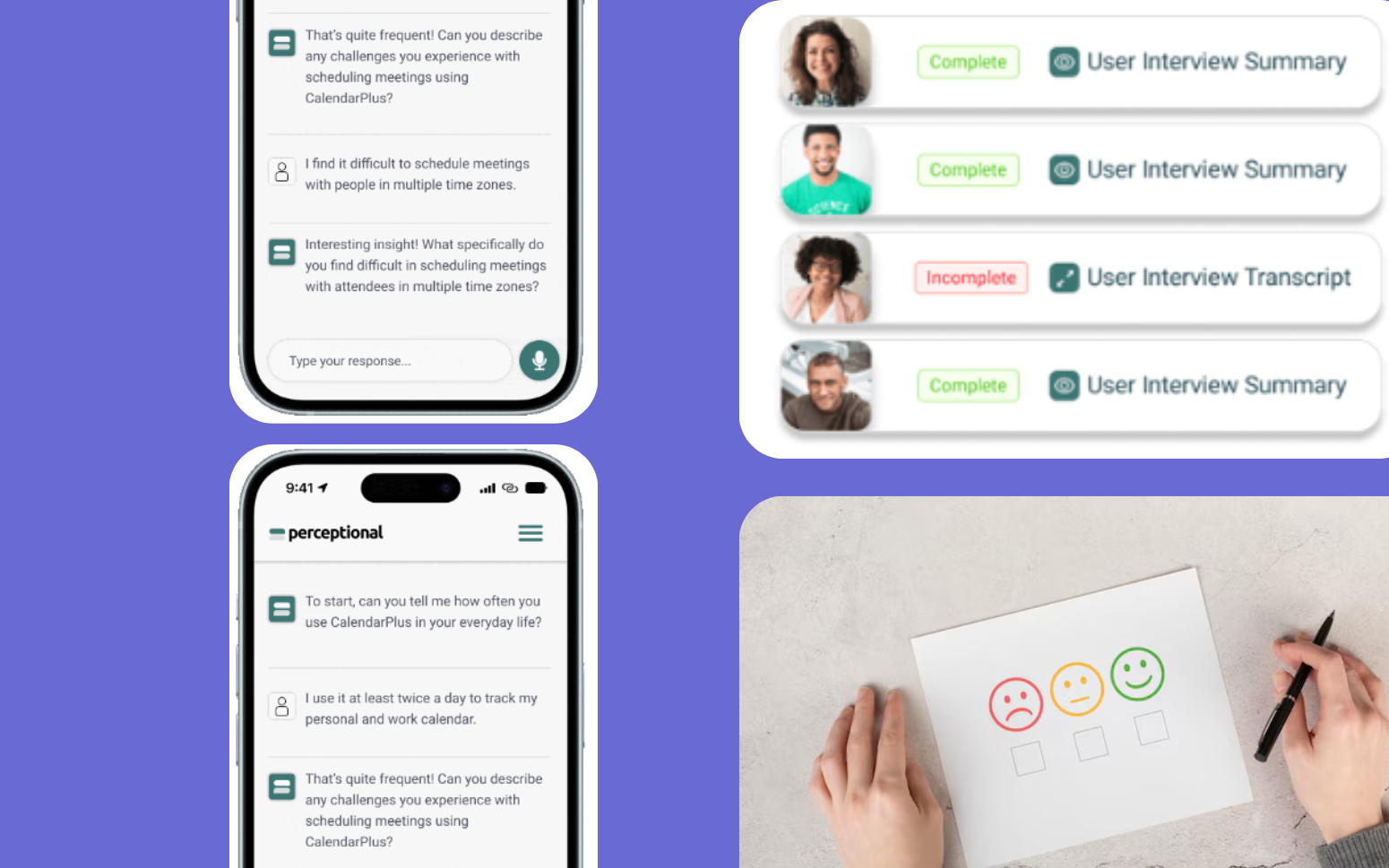





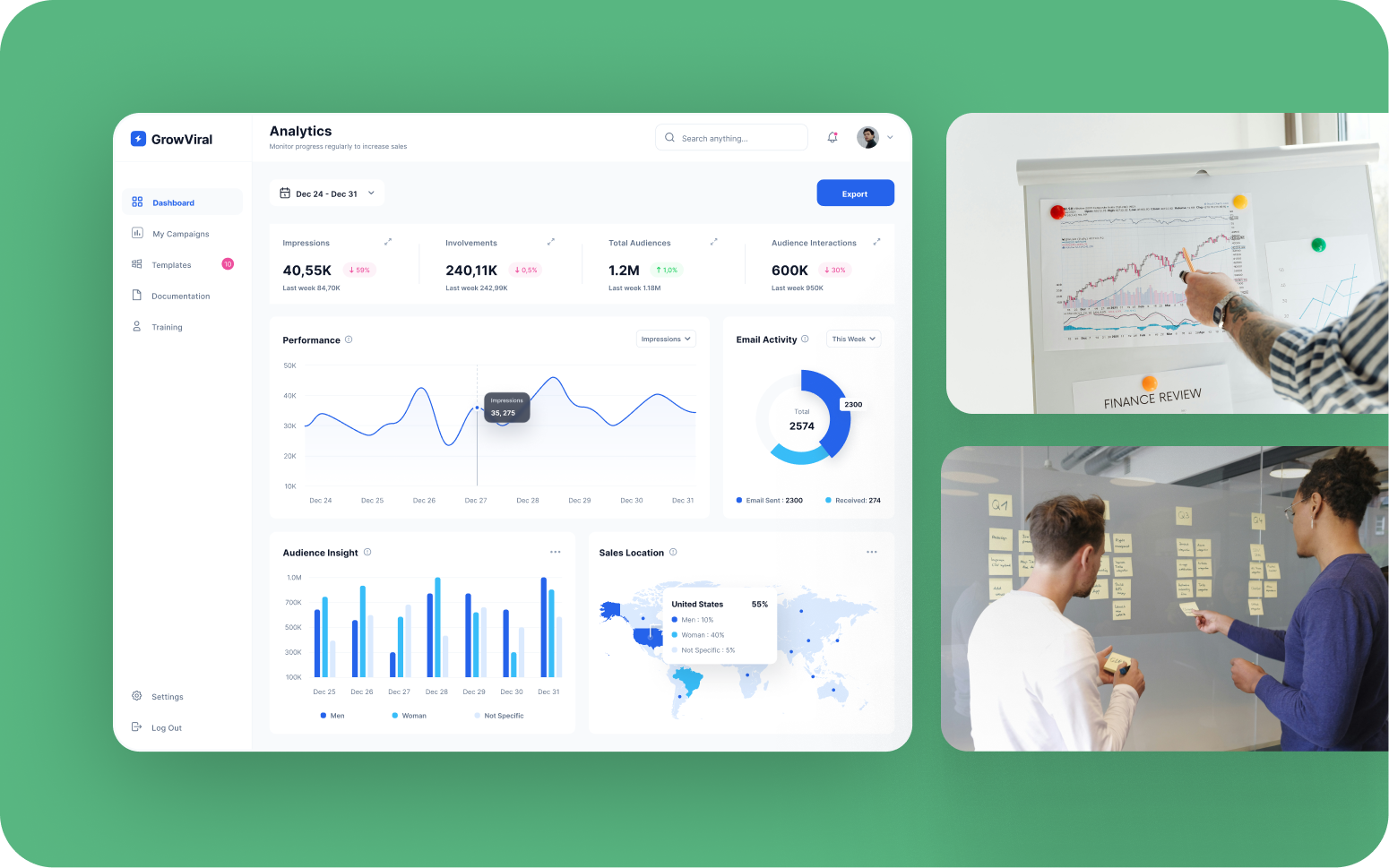

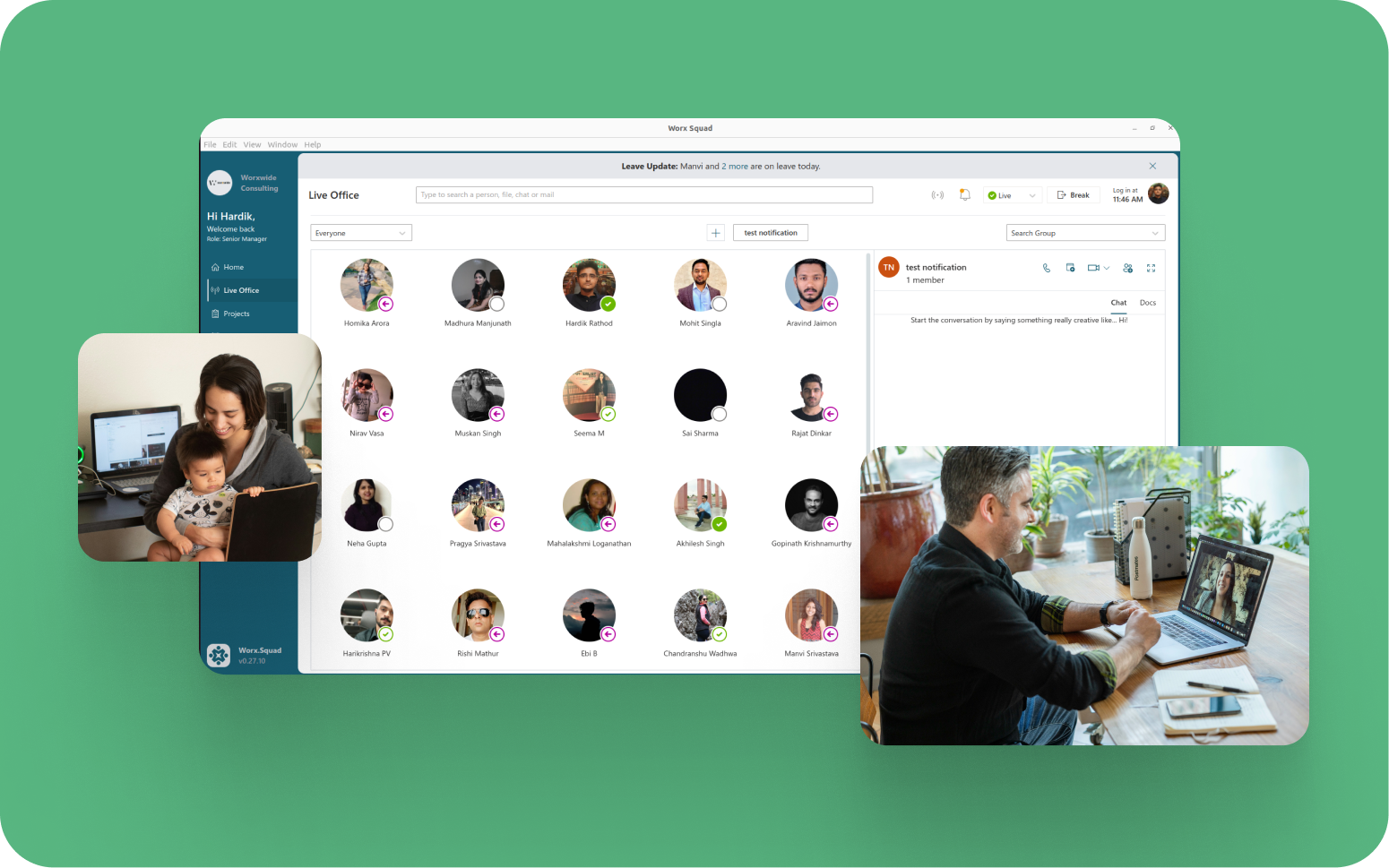




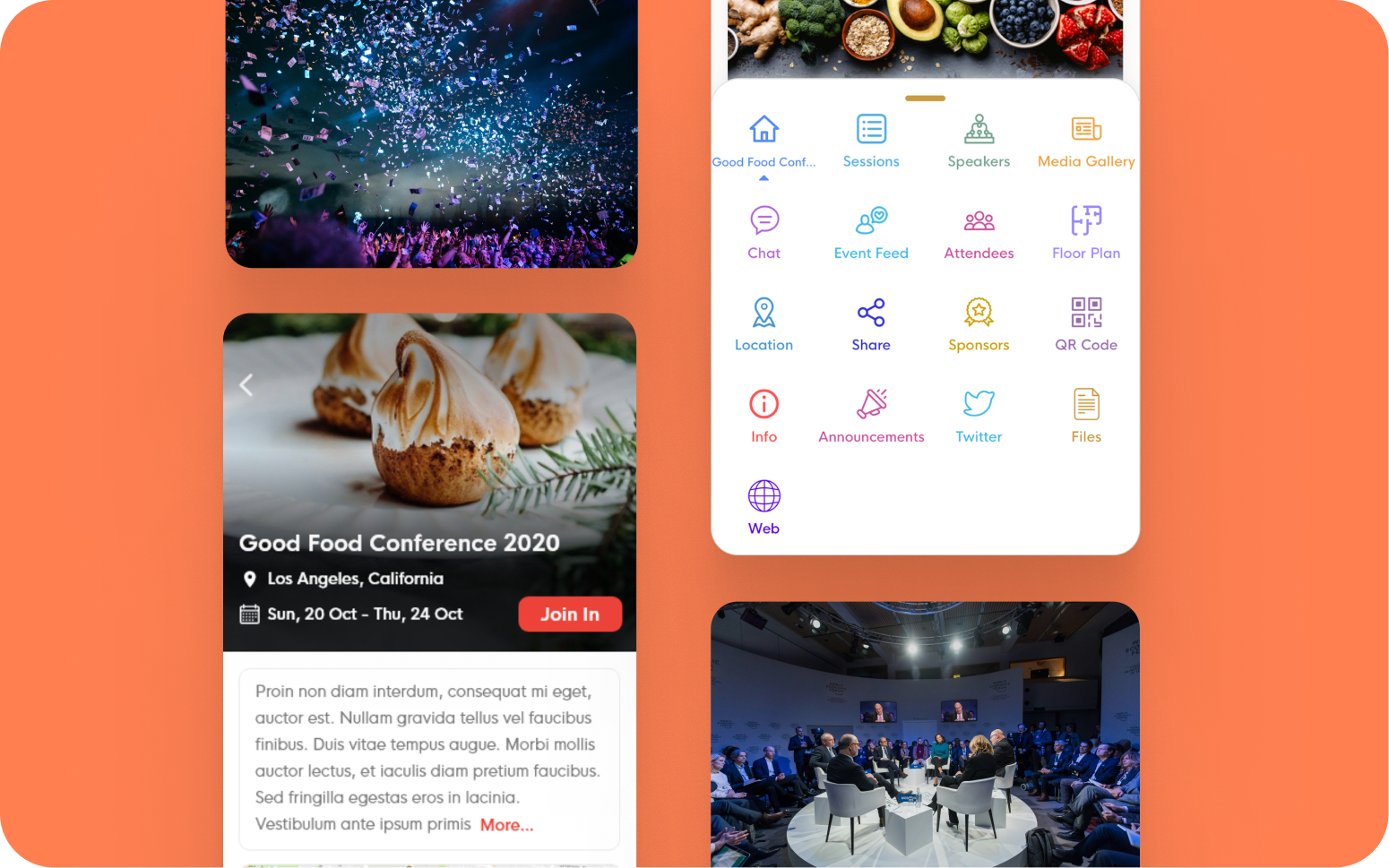



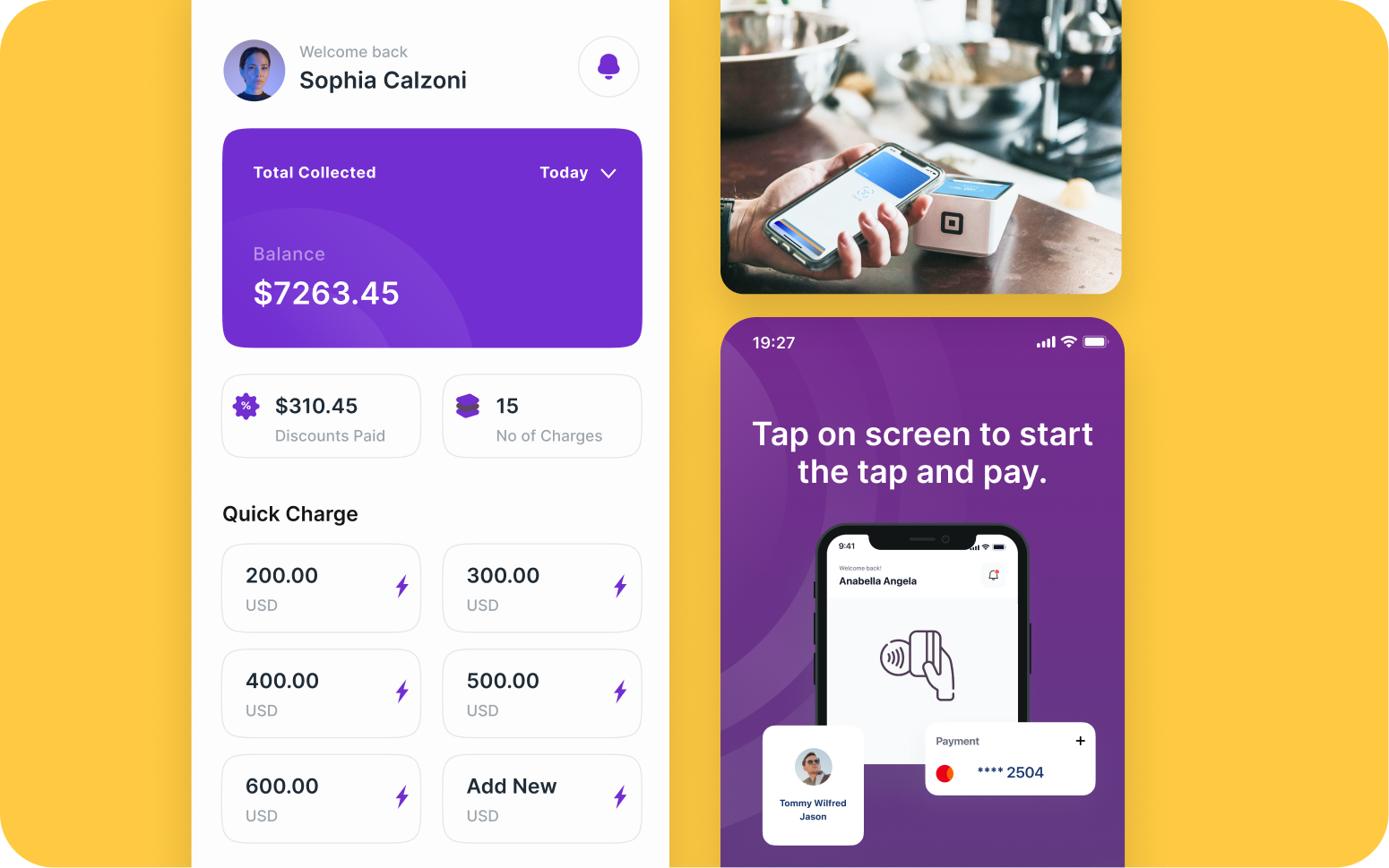

Industries We Serve
Healthcare
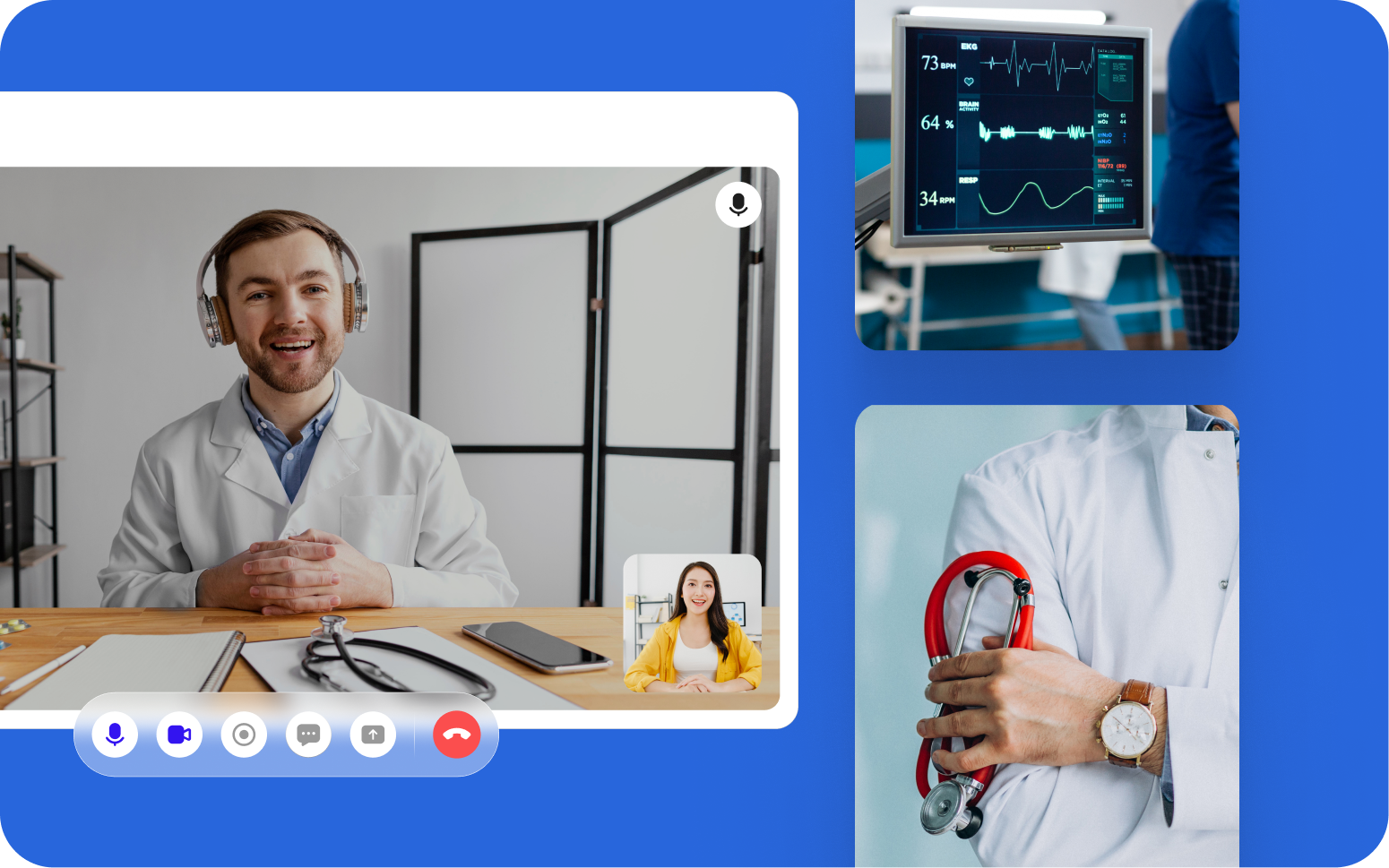
We develop HIPAA-compliant SaaS solutions for patient management, telehealth services, and healthcare analytics with strict security protocols and regulatory compliance.
MarTech
We develop SaaS solutions for social media marketing, influencer management, and marketing automation to enhance brand engagement and digital growth.
Media & Communication
We develop SaaS applications for content streaming, digital publishing, and communication platforms, enabling seamless media distribution and audience engagement.
Education
Our educational SaaS solutions include learning management systems, student assessment tools, and administrative platforms that enhance educational outcomes.
Hospitality
We develop SaaS solutions for hotels and hospitality businesses, including property management systems, booking engines, guest experience platforms, and integrations with OTAs and channel managers to drive direct bookings and operational efficiency.
Digital commerce
We build scalable e-commerce SaaS platforms with inventory management, order processing, and customer relationship features that grow with your business.
Your SaaS Journey Starts Here!
Get a Free Consultation
Fill out our contact form and schedule a free consultation call with our experts to discuss your idea.
Get Your Cost Estimate
Our experts will assess feasibility, provide insights, and share a cost & timeline estimate.
Build & Launch
Once finalized, our team gets to work, turning your vision into a fully functional SaaS product.
Frequently Asked Questions
SaaS (Software as a Service) development focuses on building cloud-based software that users can access via a web browser. These applications eliminate the need for installations and allow businesses to offer scalable, subscription-based services.
Developing a SaaS product involves several stages, from ideation to deployment:
Discovery & Strategy – Define business goals, research the market, and plan technical architecture.
UX/UI Design – Design user-friendly interfaces through wireframing and prototyping.
Development – Use agile methodologies to build and integrate features efficiently.
Testing & Security – Conduct performance, security, and usability tests before launch.
Deployment & Scaling – Optimize infrastructure and monitor performance for seamless scaling.
Choosing the right tech stack ensures performance, security, and scalability. Commonly used technologies include:
Frontend : React, Angular, or Vue.js for interactive user interfaces.
Backend : Node.js, Python (Django/Flask), or Ruby on Rails for server-side logic.
Database : PostgreSQL, MySQL, or MongoDB for structured and unstructured data.
Cloud Services : AWS, Google Cloud, or Azure for hosting and scalability.
DevOps & Deployment : Docker, Kubernetes, and CI/CD tools for automation.
We do it in four stages: assessment, architecture design, phased migration, and validation — in that order.
The assessment comes first because most migration failures start with underestimating what's actually there. We audit the existing codebase, infrastructure, and data model before recommending anything. Legacy applications almost never have multi-tenancy built in — that gap needs to be addressed at the architecture level before a line of migration code is written.
Migration then runs in phases. Never a single cutover. Your existing users stay on a working product while the SaaS version is built and validated alongside it. Data integrity is confirmed at each phase before traffic shifts. We don't move to the next phase until the previous one is clean.
Typical timelines: simple application with limited integrations runs 3–4 months. Complex systems with multiple external dependencies run 5–6 months. The scoping session is where we give you the real number for your specific situation, book a call here.
There are three approaches, each with different cost, complexity, and compliance implications. You choose based on who you're selling to and what their procurement team will accept.
Row-level security (shared schema) — all tenant data lives in shared tables with strict access controls applied at the query level. Lowest infrastructure cost. Easiest to manage. Right for B2C SaaS and SMB-focused products where enterprise data residency requirements aren't a factor.
Schema-per-tenant — each customer gets their own database schema within a shared database server. Strong isolation, manageable infrastructure cost, and good enough for most enterprise B2B buyers. This is the model we use most often for growth-stage B2B SaaS.
Database-per-tenant — each customer gets a completely separate database. Maximum isolation. The highest cost, infrastructure scales directly with your customer count. Required for some regulated industry buyers, particularly in healthcare and financial services, and for customers with strict data residency requirements.
We recommend the right model based on your current buyer profile and your three-year growth trajectory. Getting this wrong at the start costs significantly more to fix than getting it right the first time.
Scalability is essential for handling increasing user demand. To achieve this:
Use microservices architecture – Break your application into smaller, independent services.
Leverage cloud platforms – AWS, GCP, or Azure provide auto-scaling capabilities.
Optimize database performance – Implement indexing, caching, and query optimization.
Enable load balancing – Distribute traffic efficiently to prevent system overloads.
A secure authentication system protects user data and enhances trust. Best practices include:
Implement OAuth 2.0 & OpenID Connect – Secure login authentication methods.
Use Multi-Factor Authentication (MFA) – Adds an extra layer of security.
Encrypt stored passwords – Use hashing algorithms like bcrypt or Argon2.
Enable Single Sign-On (SSO) – Allows users to log in with existing credentials.
Your choice depends on security, cost, and scalability needs:
Single-Tenancy – Each customer has a separate instance of the application. Suitable for enterprises with strict security requirements.
Multi-Tenancy – Multiple users share the same infrastructure, reducing costs and making scaling easier. Ideal for SaaS businesses serving a broad customer base.
Security is a top priority in SaaS development. The major concerns include:
Data breaches – Implement encryption and secure APIs to protect user data.
Unauthorized access – Use role-based access control (RBAC) and strong authentication.
DDoS attacks – Deploy firewalls and cloud security solutions.
Data loss – Maintain regular backups and disaster recovery plans.
Regulatory compliance – Follow industry standards like GDPR, HIPAA, or SOC 2.
APIs enhance SaaS functionality by connecting with third-party services. The most popular integrations include:
Payment processing – Stripe, PayPal, Razorpay for seamless transactions.
CRM & marketing – Salesforce, HubSpot, Mailchimp to manage customer relationships.
Communication tools – Twilio, Slack, SendGrid for messaging and notifications.
Cloud storage – AWS S3, Google Drive, Dropbox for secure file storage.
Analytics & monitoring – Google Analytics, Mixpanel, Datadog for performance insights.
The cost of developing a SaaS application depends on the complexity, features, and technologies used. Here are three common pricing models:
Minimum Viable Product (MVP) – A basic yet functional version to attract early adopters and investors. It includes 1-2 core features with a simple design, built in 6-8 weeks.
Cost: $10,000 - $20,000 .Full-Featured Product – A well-designed, scalable solution with multiple features, third-party integrations, and custom UI/UX. Development takes 12-14 weeks.
Cost: $20,000 - $60,000 .Innovative Tech Product – Advanced solutions involving AR, VR, AI, or complex problem-solving with custom designs and animations. Pricing is based on business requirements.
Custom quote available .
Time: SaaS app development time varies based on the complexity of the product and the solution approach required. However, we help you break down your products into phases so that you can hit the market faster. We generally go from zero to launch (this includes design, development, and testing) into a 12-14 weeks cycle. We’ve done this for several SaaS web/ mobile app platforms. Read our case studies to know how.
Cost: Pricing is based on the estimated number of days (hours) required for app development. Most web, mobile and AI apps with standard features along with costs from USD, are given below :
Here are estimates for projects in the different categories:
Small projects (a web/ mobile app with 4-5 key features, not counting static content or sign in): US$ 10-25k
Middle-sized projects (a web/ mobile app with 6-9 key features, not counting static content or sign in): US$ 25-50K
Big projects (a web/ mobile with 10-15 key features, not counting static content or sign in): from US$ 50K
To get more precise information about costs, please set up a free consultation call.
It comes down to what you're optimising for and where you are right now.
If you have a technical co-founder, funded headcount, and 4–6 months to hire and onboard well, building in-house makes long-term sense once you've validated the product. The team compounds in value, institutional knowledge stays internal, and you build a technical culture from the ground up.
If you're pre-Series A, need to ship in weeks rather than months, or have specific capability gaps like AI integration, cloud infrastructure, compliance architecture, outsourcing to a SaaS application development company is almost always the faster, lower-risk path to your first real users.
The question that cuts through most of the deliberation: when the product ships, who understands the codebase well enough to own it going forward?
If the answer is "only the agency," that's a contract problem to fix before you start.
Yes, you can have complete ownership of your app development project. In addition, we provide you with the documentation, source code, intellectual property rights, etc.
Choosing the right SaaS application development company is crucial for the success of your product. Here’s what to consider:
1. Experience in SaaS Development
Look for a company with a strong portfolio of SaaS projects. They should understand multi-tenancy, cloud infrastructure, and scalability.
2. Technical Expertise
Ensure they have expertise in relevant technologies like AWS, Azure, Google Cloud, microservices, and APIs.
3. Security & Compliance
The company should follow best security practices and comply with industry regulations like GDPR, HIPAA, or SOC 2 if needed.
4. Scalability & Performance Optimization
A good SaaS company should build apps that handle growing users and data without performance issues.
5. UI/UX Design Capabilities
A user-friendly interface is essential. The team should have strong design skills to ensure a seamless user experience.
6. Integration & Customization
The company should be able to integrate third-party tools and offer customization based on your business needs.
7. Post-Launch Support & Maintenance
SaaS products need continuous updates and support. Ensure the company provides ongoing maintenance.
8. Pricing & Engagement Model
Check their pricing structure—whether it's fixed cost, hourly, or dedicated team—and see what fits your budget.
9. Client Reviews & Testimonials
Look at case studies, reviews on platforms like Clutch, and client testimonials to gauge their reliability.
Here are some reasons to partner with us for your SaaS development journey:
Product Mindset - We are obsessed with web and mobile app software products. We believe in faster go-to-market, user-centric designs, system thinking, and value delivery in each step.
Focus - We play by our strengths in building custom software solutions (web/ mobile app) in media, marketing tech, and modern commerce. Our focus helps us to get better with every iteration.
Founders-led approach - We, as founders, work hand in hand with you, focusing on the problems. We consult with innovative techniques.
Transparent pricing - We focus on your needs and find ways to optimize the overall costs. We are flexible, provide a complete breakdown of the efforts and work at reasonable prices. Our sales team will make a rough estimation of your project for free.
Full-service coverage - We work with you on various stages of software development. Starting from the product discovery phase, design, development, QA, and DevOps support and maintenance for our clients.
Process approach - We believe in Agile development with bi-weekly sprints. We catch up once or twice a week as a team with you to go over the project's progress. We will work with you as one team with ongoing communication via Slack channels and Asana. We are open to critical inputs and feedback to improvise outcomes.
Hence, RaftLabs is one of the best companies for SaaS development, providing services in Ireland, the US, the UK, and India. We offer a compelling blend of expertise, a product-oriented mindset, transparent pricing, and a collaborative app development approach.
We have developed a wide range of products that have been effectively delivered to our clients, including:
SaaS platforms for real-time audio/video communication and engagement for the workplace that replaces Slack, Zoom, and MS Teams.
SaaS audio chat web and mobile apps like Clubhouse/ Twitter space and survey apps.
Custom software for building OTT live and on-demand video workflows for web, mobile apps, and STBs (set-top boxes).
Custom web and mobile app platforms through Telehealth in healthcare solutions.
Building massive-scale loyalty web and mobile apps for global brands.
Referral marketing platforms for tech and non-tech industries.
Live video commerce for engaging with social media audiences for growing DTC brands.
It depends on your market, your buyer, and the type of data your product handles. These are the standards that come up most often:
SOC 2 Type II — required by most enterprise B2B buyers before they'll sign a contract. It demonstrates that your security controls are real, audited, and effective — not just described in a policy document. If you're selling to enterprise, plan for SOC 2 from day one.
GDPR — mandatory for any product that handles personal data belonging to EU residents, regardless of where your company is registered. The architecture implications are significant: data residency controls, right-to-erasure workflows, consent management, and breach notification procedures all need to be built in.
HIPAA — required for any SaaS product handling protected health information (PHI) in the US. Requires a Business Associate Agreement (BAA) with your cloud provider (AWS and Azure both offer HIPAA BAA). Affects your data storage, transmission, access logging, and employee access controls. See our healthcare software development services for specifics.
PCI DSS — required if your product processes, stores, or transmits payment card data. Most SaaS products should delegate payment handling entirely to a PCI-certified processor (Stripe, Braintree) to minimise their own compliance scope.
ISO 27001 — an internationally recognised information security management standard. Increasingly required by enterprise and government buyers, particularly in Europe and the Middle East.
We build compliance into the architecture from day one. Retrofitting SOC 2 readiness onto a non-compliant system typically costs more than the original build. For industry-specific compliance guidance, see our B2B SaaS development page.