Short answer
RaftLabs built Perceptional, a conversational AI interview platform for product managers, that replaces static surveys with AI-led user interviews that adapt questions in real time based on participant responses. The system uses Anthropic Claude via AWS Bedrock for context-aware conversation management, generates structured insight summaries within 48 hours of interview completion, and runs on AWS Lambda to handle thousands of simultaneous interviews without infrastructure management. Built in 12 weeks for Canadian founder Amer Abu Khajil, who previously worked at Amazon.
Engagement
The engagement
- Client
- Perceptional, founded by Amer Abu Khajil (ex-Amazon)
- Sector
- Product research and MarTech
- Market
- Canada
- Timeline
- 12 weeks, concept to live platform
- What shipped
- AI interview platform with adaptive questioning and structured insight summaries within 48 hours
- Stack
- Anthropic Claude via AWS Bedrock, on AWS Lambda
The situation
Amer Abu Khajil spent years at Amazon, one of the most customer-obsessed companies in the world, and still couldn't get real feedback from his own users. Not because the tools didn't exist. Because every tool gave him the same shallow answers.
A static survey asks the same questions in the same order to every respondent. Surveys collect answers. They don't collect context. If someone says they find a feature confusing, the survey moves on. There is no follow-up. No "what specifically was confusing?" No "how did you try to work around it?" The hardest skill in research has never been asking questions. It is the follow-up: a weak moderator writes down "confusing," and a good one spends the next four questions finding out what confusing actually meant. Product managers end up with data that confirms what they already suspected but never surfaces what they actually needed to know.
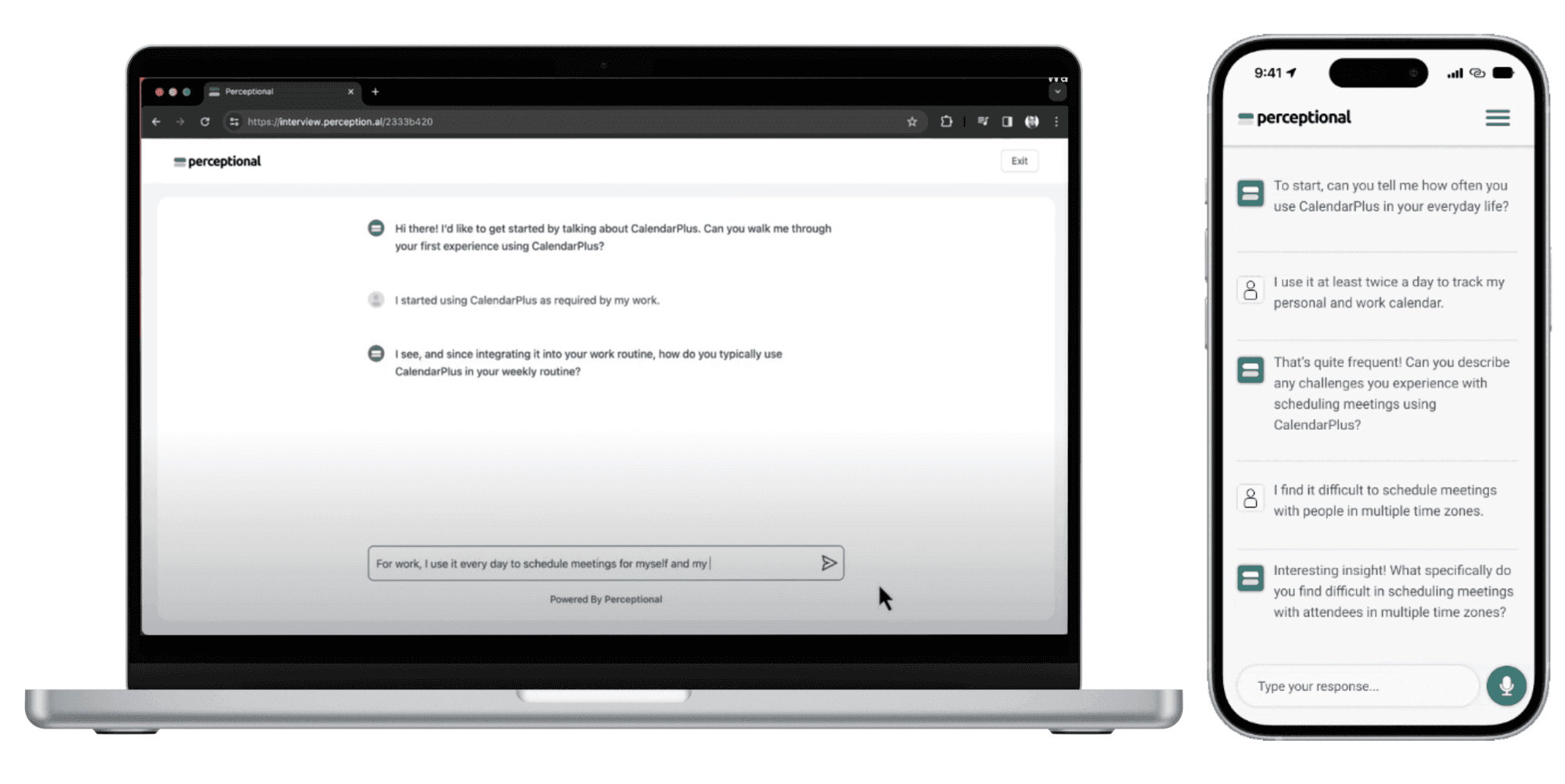
Amer came to us with a prototype idea. We built Perceptional: an AI platform that interviews users the way a researcher would. It adapts its questions in real time based on what each user says, maintains full context across the entire conversation, and generates a structured summary within 48 hours of the interview completing.
Before and after
What changed
- Static surveys asked every user the same questions regardless of what they said
- No follow-up questions when a user gave a signal worth exploring
- Analysis took days of reading unstructured responses across spreadsheets
- Survey tools could not handle real load at scale without breaking
- Product managers were making decisions on surface-level data they knew was incomplete
- AI conversations adapt in real time to each user's specific responses
- Relevant follow-up questions surface automatically when the AI detects an important signal
- Structured summaries generated within 48 hours of interview completion, with no manual analysis
- Serverless infrastructure handles thousands of simultaneous interviews without any ops overhead
- Product managers get insight depth that previously required live researcher interviews
What we had to solve
Keeping a multi-turn conversation coherent from first question to last
A real interview has a thread. The researcher remembers what was said in question two when they ask question eight. Standard AI implementations lose this context as conversations grow longer, treating each exchange as near-isolated rather than as part of a continuous session. The known failure mode is deterministic probing: the AI re-asks the same question until the participant gets irritated, instead of laddering deeper into what they just said.
We needed Perceptional to hold the entire conversation in working memory, reference earlier answers when deciding what to ask next, and never repeat a question the user already answered. Claude's extended context window made this possible. Smaller models would have broken interview coherence mid-session.
Turning unstructured conversations into structured summaries a PM can act on
A conversation with 15 exchanges produces a lot of text. Product managers need the signal, not the transcript. We had to design a summarisation layer that could read the full conversation, identify the themes and patterns that appeared across responses, and format them into a structured summary a PM could use in a sprint planning meeting. The summary had to be accurate enough to reference specific user language but concise enough to read in five minutes. Getting this right required iteration on the prompt engineering and the output format with Amer's team until the summaries were genuinely useful.
the build
What we built
Before writing a line of code, we built a working prototype in under a week so Amer could see the conversation flow working.
Every interview follows the user's actual answers, not a fixed script
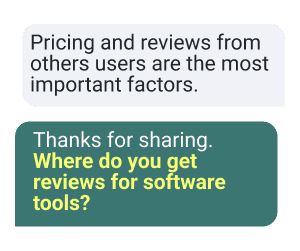
The AI reads each response and decides what to ask next based on what the user actually said, not a fixed script. If a user mentions confusion with a specific feature, the platform follows up on that confusion. If they express enthusiasm, it probes what drove it. Each interview takes a different path because each user's answers are different. This is what separates an AI interviewer from a survey with a voice layer.
Product managers get answers before the next sprint, no transcript reading required
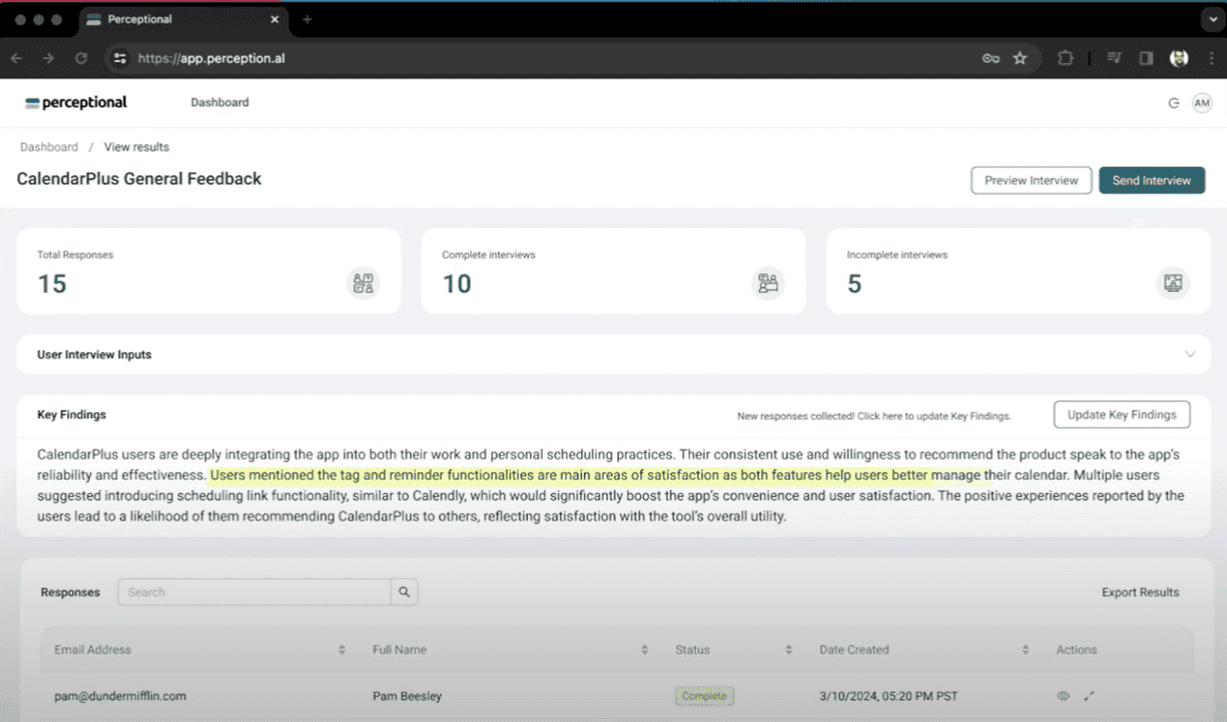
After each interview session closes, the platform analyses the full conversation thread and generates a structured summary with themes, specific user language, and concrete findings. No manual reading of transcripts. Research stops arriving one sprint behind the decisions it was meant to inform.
Campaign launches without an infrastructure team watching it
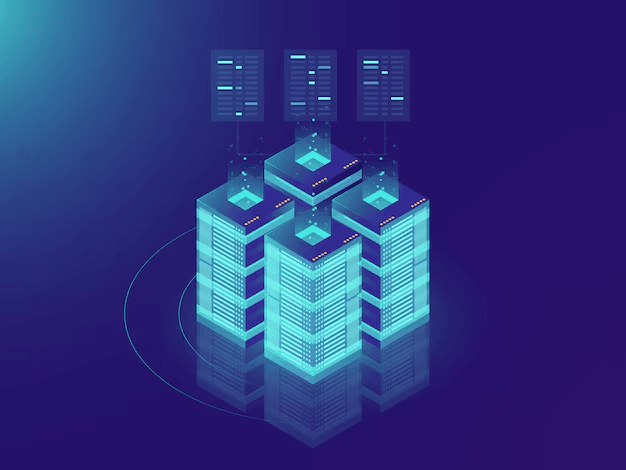
Built on AWS Lambda, Perceptional runs thousands of simultaneous interviews without infrastructure management. A product manager can launch a campaign to thousands of users and the platform handles the load automatically. The beta and enterprise workloads run on the same architecture.
Themes that repeat across interviews surface differently than one-offs
The platform analyses entire conversation threads for context, not just individual answers, and surfaces patterns that repeat across multiple users. A theme that appears across many interviews is surfaced differently than one that appeared once. Product managers see where the signal is strong and where it is noise.

Proof
What we can and can't claim
Delivery facts only. No usage, adoption, or revenue outcomes were on record for this review.
| Result | What changed | Period or context | Evidence and limitation |
|---|---|---|---|
| Delivery | 12 weeks from concept to live platform | Conversation engine, summary generation, admin dashboard, and serverless infrastructure | Project-recorded. A working prototype validated the conversation flow in the first week |
| Insight speed | Structured insight summaries within 48 hours of interview completion | Full-conversation summarisation layer with themes, specific user language, and concrete findings | Project-recorded. Prompt engineering and output format iterated with the founder's team until summaries were useful in sprint planning |
| Scale | Thousands of simultaneous interviews on one architecture | Serverless infrastructure; beta and enterprise workloads run the same way, with no engineering overhead per campaign | Project-recorded |
| Outcomes | Not measured | No usage or adoption figures were on record for this review | Stated rather than estimated |
The lesson
The summary is the product, not the interview
The interview engine gets the attention, but the summary is what a product manager opens on Monday morning. A 15-exchange conversation is only useful if it becomes something accurate enough to reference specific user language and concise enough to read in five minutes. We iterated on the prompt engineering and the output format with Amer's team until the summaries were genuinely useful. That iteration was the product work, not a polish step. If you are building an AI research tool, design the output first and the conversation that feeds it second.
How it runs
- AWS Lambda
- Amer was building alone. Lambda means Perceptional handles thousands of simultaneous interviews without an infrastructure team. No servers to provision, no idle capacity to pay for between interview campaigns.
- Claude (Anthropic)
- Claude's extended context window keeps the full conversation in memory. The AI remembers what was said in the first exchange when asking the tenth question, which is what makes follow-ups feel like a real interview rather than a disconnected form.
- AWS Bedrock
- Bedrock gives a single control plane for model management and versioning. When Anthropic ships a better model, we update Perceptional without touching application code. The platform stays current without a re-architecture.
Common questions
Survey tools are built for scale, not depth. They ask the same question to every user regardless of what the previous answer was. A custom AI interview platform adapts in real time, so you get the follow-up questions a researcher would ask, not a form that ignores what was just said. The difference shows in what you learn, not just how you collected it.
The full platform, conversation engine, summary generation, admin dashboard, and infrastructure, was live in 12 weeks. A working prototype validated the conversation flow in the first week, before any production code was written.
Yes. The platform runs on AWS Lambda, which scales automatically to match demand. There are no servers to provision. A campaign to hundreds of users and a campaign to thousands use the same infrastructure. The platform expands to meet the load and contracts when it is done.
Product managers configure interview goals through the web interface, generate a shareable link, and distribute it to users via whatever channel they use today: email, in-app prompt, or Slack message. No dev work is required to run a campaign. Structured summaries appear in the dashboard when interviews complete.
Start with the research problem you are trying to solve: what decisions are you making, and what information would change those decisions? We can design and build an AI research platform around your specific users, workflows, and output format. Contact us for a free diagnostic call.
Related work
More work like this
AI phone agents automate global feedback loops through voice interviews
Text surveys only reached people comfortable filling out forms. We built a voice platform that calls anyone with a phone, runs the interview, and has the findings ready when the last call ends.
Musgrave receipt scanning software case study for SuperValu and Centra
Musgrave's post-campaign report records 1,062 users and 1,610 receipt submissions. At the reporting snapshot, 1,158 were AI approved, 409 AI rejected, 4 manually approved, 10 manually rejected, and 29 remained processing.

Brux ships a dental marketing SaaS: AI smile previews, GoHighLevel sync, and self-serve onboarding built for 1,000-office scale
Brux Smile Makeover is a dental marketing SaaS where patients upload a selfie and get a lifelike AI smile preview in seconds. We built the AI pipeline, GoHighLevel two-way CRM sync, Stripe billing, and self-serve QR flyer onboarding built for 1,000-office scale.